
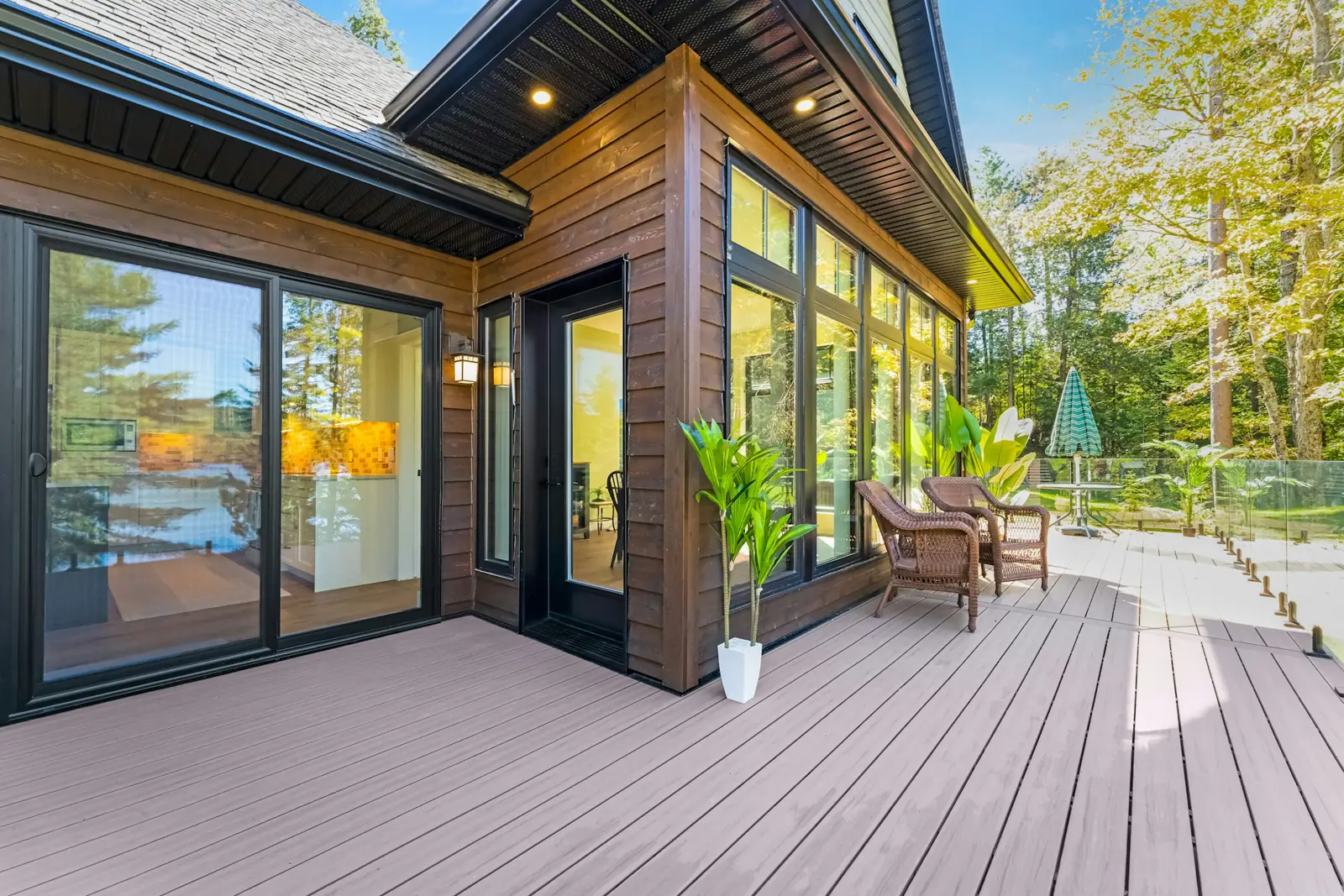
Your home's siding is its first line of defense against Maine's relentless weather. From nor'easters and ice storms to coastal salt exposure, the material you choose needs to perform under pressure while maintaining the curb appeal that makes your property stand out in the neighborhood.
Understanding Maine's Climate Challenges
Greater Portland homeowners face a unique combination of weather conditions that can rapidly deteriorate inferior siding materials. Freeze-thaw cycles expand and contract materials dozens of times each winter. Coastal moisture and salt air accelerate corrosion. Heavy snow loads stress mounting systems. And intense summer UV exposure fades color over time.
That's why choosing the right siding isn't just about looks—it's about selecting a material engineered to handle these specific conditions for decades to come.
James Hardie Fiber Cement: The Gold Standard
Fiber cement siding has become the go-to choice for Maine homeowners who want maximum durability without sacrificing aesthetics. James Hardie products are engineered specifically for our climate zone, offering fire resistance, pest resistance, and a 50-year warranty that provides real peace of mind.
At Cardinal Exteriors, we've installed James Hardie on dozens of homes across Portland, Falmouth, and Cape Elizabeth. The material holds paint exceptionally well, resists moisture intrusion, and maintains its structural integrity through our toughest winters.
Premium Vinyl: Performance Meets Value
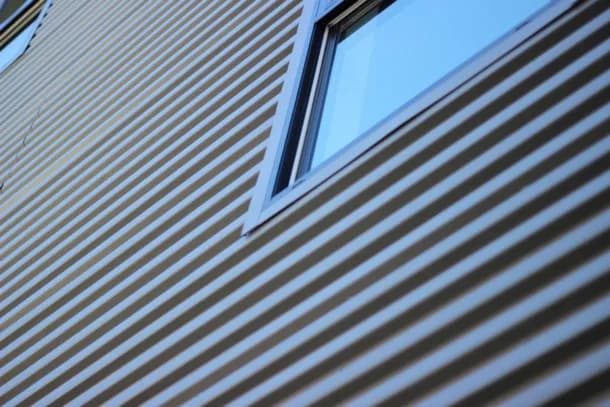
Modern vinyl siding has evolved far beyond the thin, easily damaged products of decades past. Today's premium vinyl systems feature insulated backing for improved energy efficiency, UV-stabilized color technology that resists fading, and interlocking panel designs that stand up to high winds.
For homeowners seeking an excellent balance of performance and budget, premium vinyl delivers outstanding results with virtually zero maintenance requirements.
Cedar and Wood: Timeless New England Character
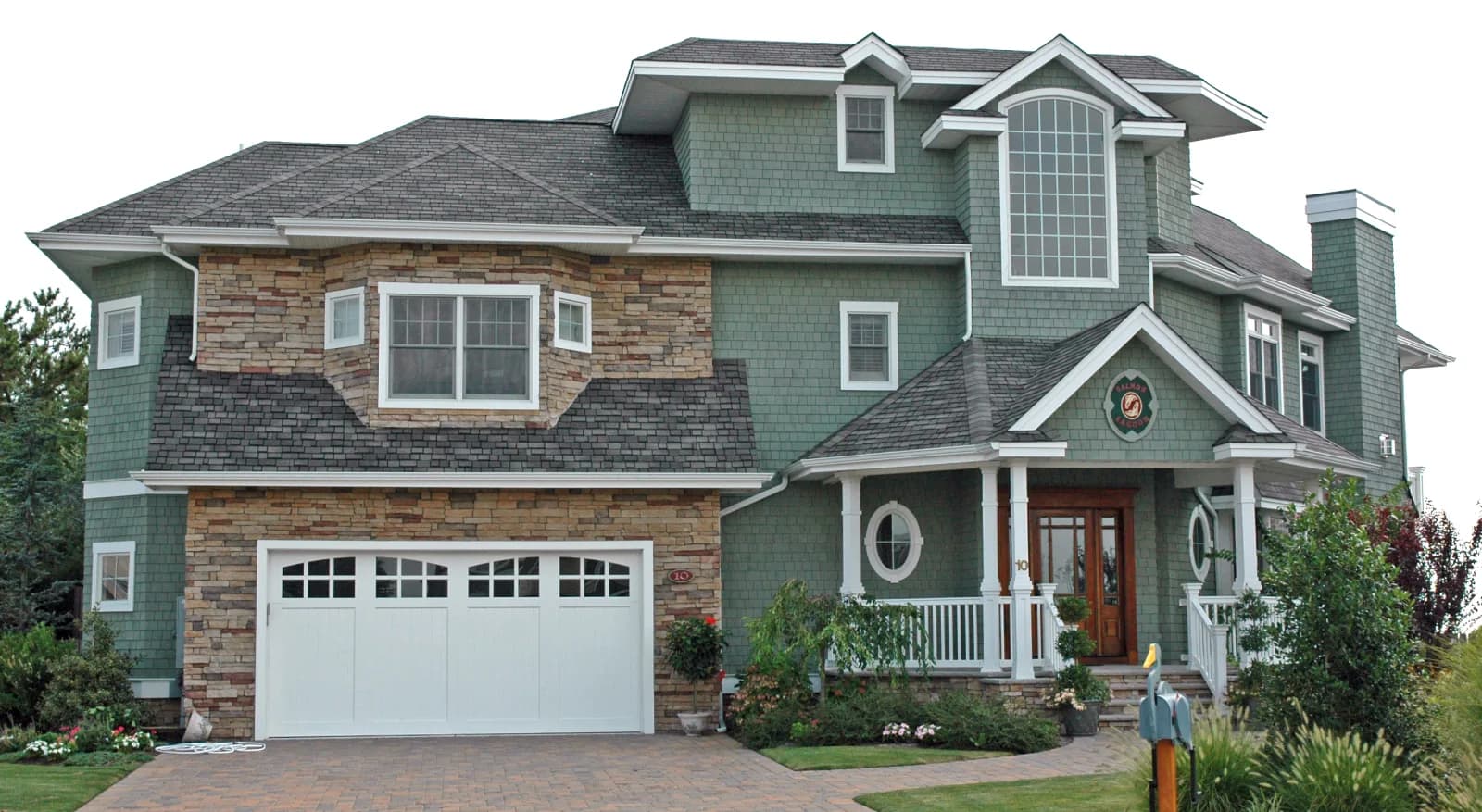
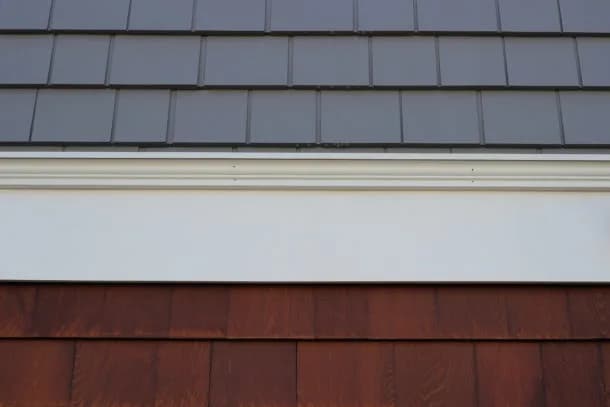
Nothing matches the warmth and authenticity of natural wood siding. Cedar shingles and clapboards have defined New England architecture for centuries, and they remain a beautiful choice when properly installed and maintained.
Our team specializes in cedar installation with proper moisture barriers, ventilation, and sealing techniques that maximize the lifespan of your investment while preserving that classic Maine aesthetic.
Making Your Decision
Every home is different, and the best siding choice depends on your architecture, budget, maintenance preferences, and long-term goals. We encourage homeowners to see and feel material samples before deciding—and we're happy to show you local installations similar to what you're considering.
Ready to explore your options? Visit our siding services page to learn more about the materials we work with, or request a free consultation to discuss your project with our team.
Composite and Engineered Wood Siding
Between vinyl and fiber cement sits a group of engineered products. Engineered wood siding such as LP SmartSide, used on the Cumberland Center colonial in our project gallery, is lighter than fiber cement and comes in long lengths with a wood-grain face. Composite and cellular PVC products are most often used for trim, where they replace the pine boards that rot first around windows and at corners. These materials fit owners who want a painted-wood look without the weight of cement board or the upkeep of real wood.
Replace or Cover Over?
Installing new siding over old is sometimes offered as a shortcut. It hides whatever is wrong underneath, it can make window and door trim look sunken, and it leaves no chance to install a proper weather barrier and flashing. A full tear-off lets rotten sheathing be replaced and gives every window a correctly lapped opening. Our siding replacement guide walks through the process step by step.
Let the Town and the House Narrow the Choice
Where you live changes the answer. Inside Portland's local historic districts and Brunswick's village review zone, replacing wood clapboard with a substitute material is an exterior change that goes through review, so check before you pick a product; our pages on vinyl siding in Portland and siding replacement in Brunswick explain the local process. On exposed coastal lots, as in Cape Elizabeth or Harpswell, salt and wind-driven rain reward fiber cement and pre-finished cedar. In fast-growing suburbs such as Gorham and Windham, premium vinyl is often the practical fit for 1980s and 2000s homes.
Compare Materials in Detail
Each material has its own page: James Hardie fiber cement siding, vinyl siding installation and cedar siding and shingles. If the windows are also near the end of their life, read our windows guide first; replacing both in one visit is usually cheaper and gives a better-sealed wall. Our overview of planning an exterior project covers the order to do the work in.