
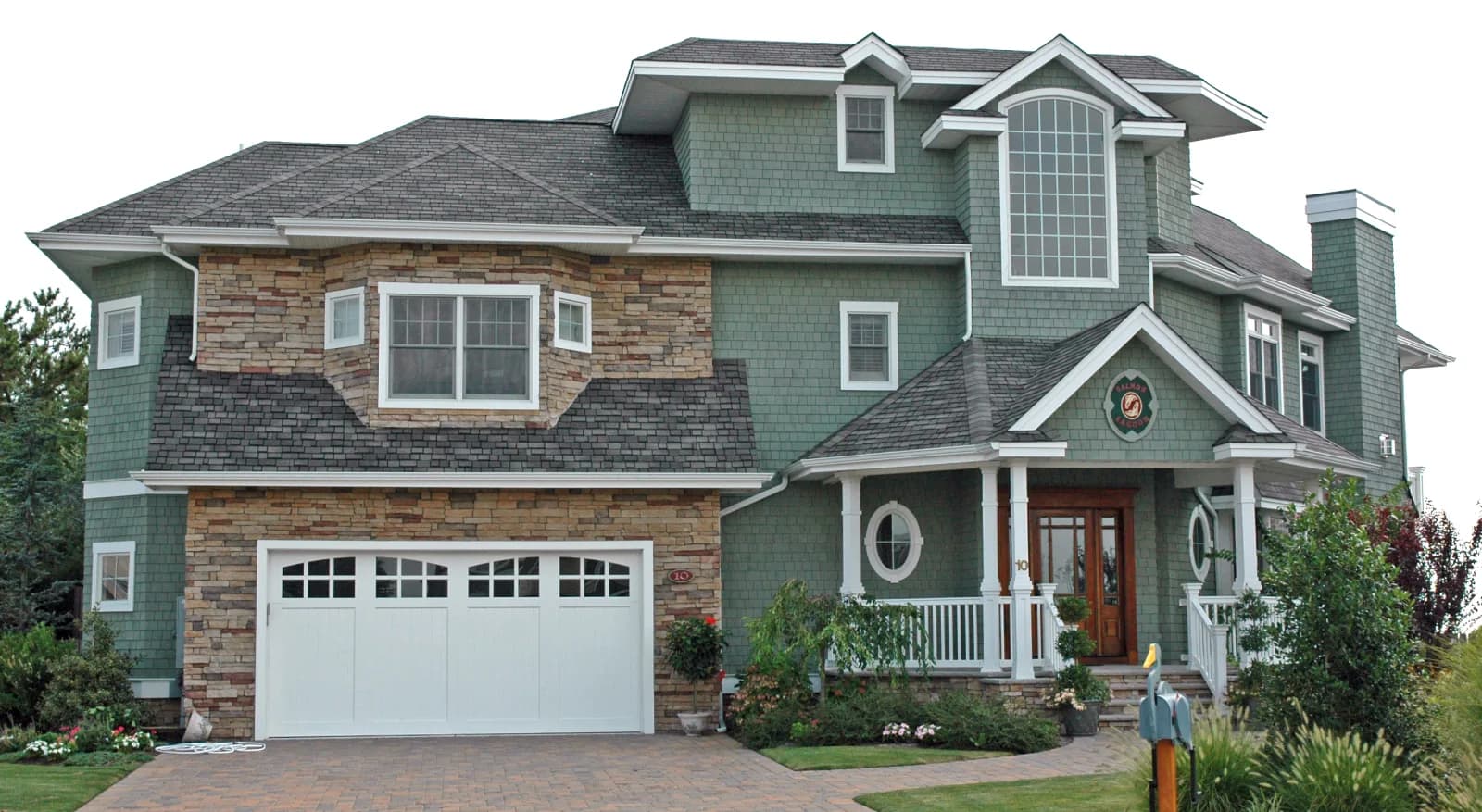
Your roof is arguably the most important component of your home's exterior envelope. It bears the full weight of Maine's heavy snowfalls, sheds rain and ice melt, resists wind uplift during storms, and protects everything beneath it from the elements. When your roof is performing well, you barely think about it. When it's not, the consequences can be swift and expensive.
Signs Your Roof Needs Attention
Many homeowners wait until they see a leak before thinking about their roof. But by the time water is entering your home, significant damage may have already occurred to the underlying structure. Here are early warning signs to watch for:
- Missing or curling shingles — wind damage or age-related deterioration
- Granule loss — check your gutters for excessive granule buildup, a sign your shingles are nearing end of life
- Ice dams — thick ridges of ice along the eaves indicate ventilation or insulation problems
- Sagging areas — structural issues that need immediate professional assessment
- Daylight through the attic — if you can see light, water can get in
Roofing Materials for Maine's Climate
Architectural Asphalt Shingles
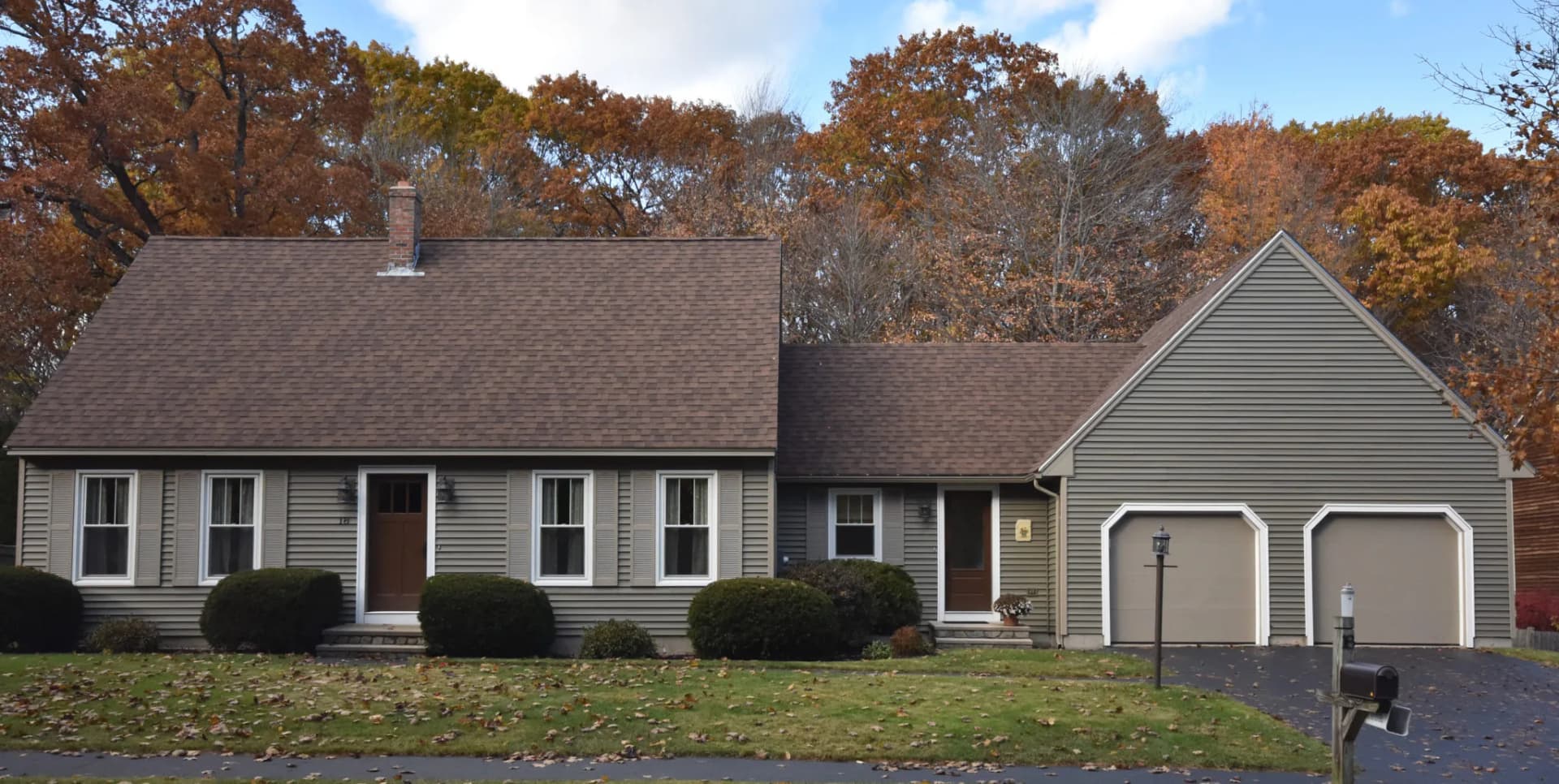
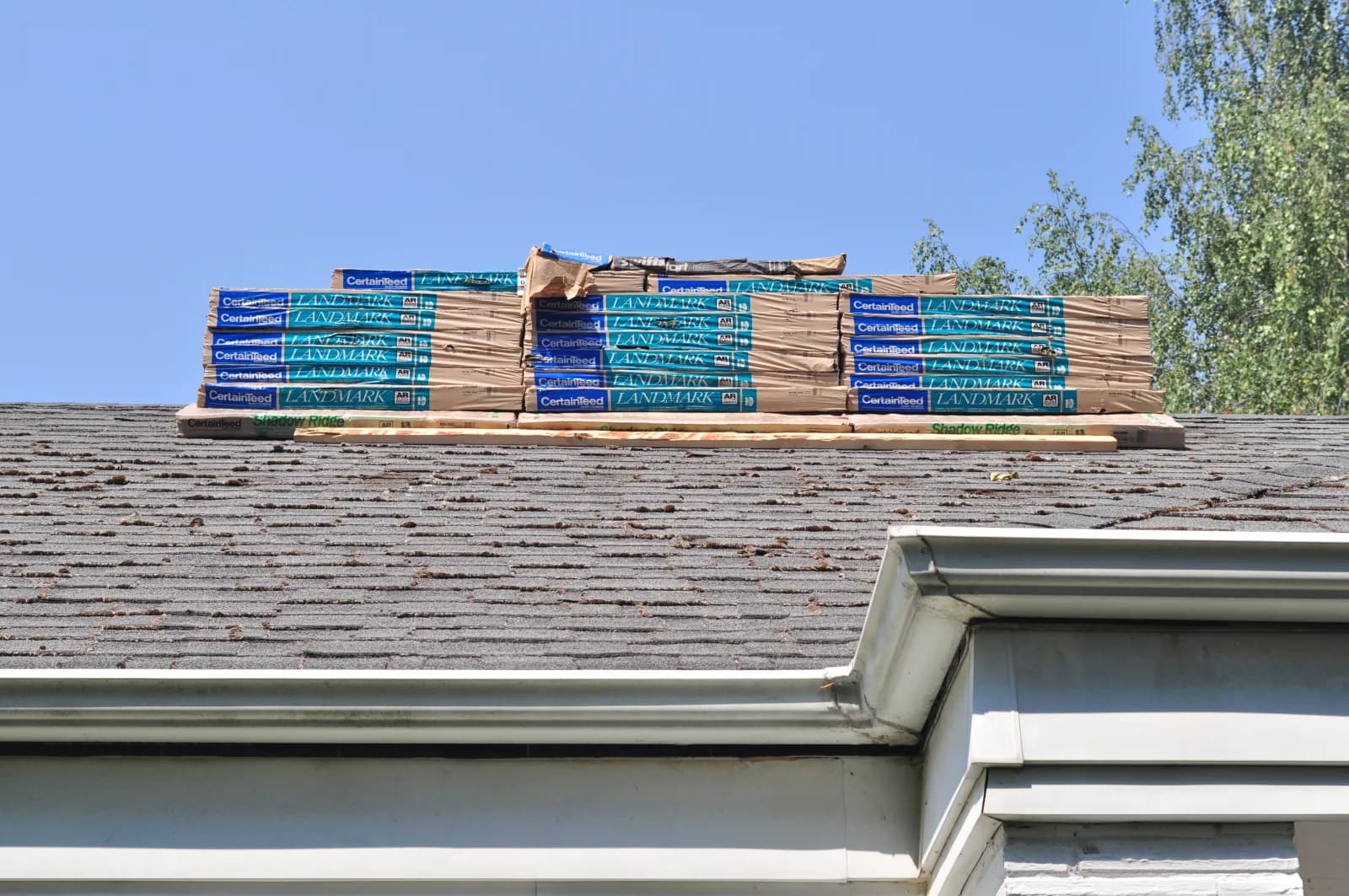
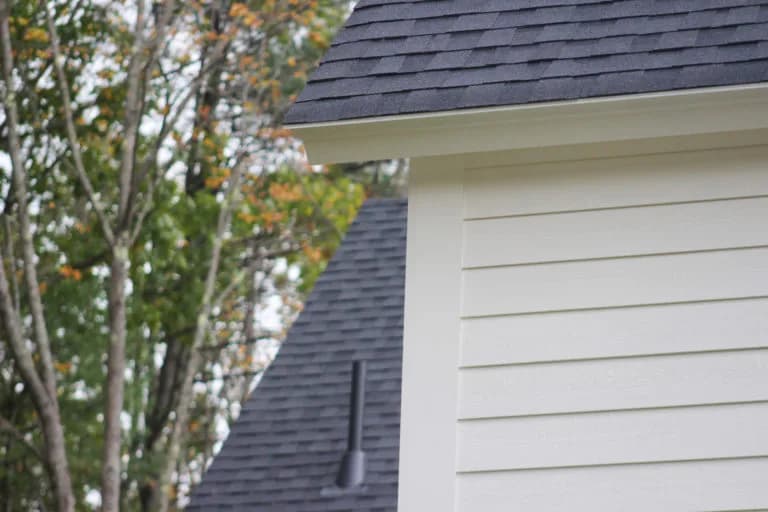
The most popular choice for residential roofing in Maine, architectural shingles offer excellent wind resistance (up to 130 mph), dimensional texture for visual appeal, and 30-50 year warranties depending on the product line. We install CertainTeed Landmark and similar premium lines that are specifically rated for our climate zone.
Metal Roofing Systems
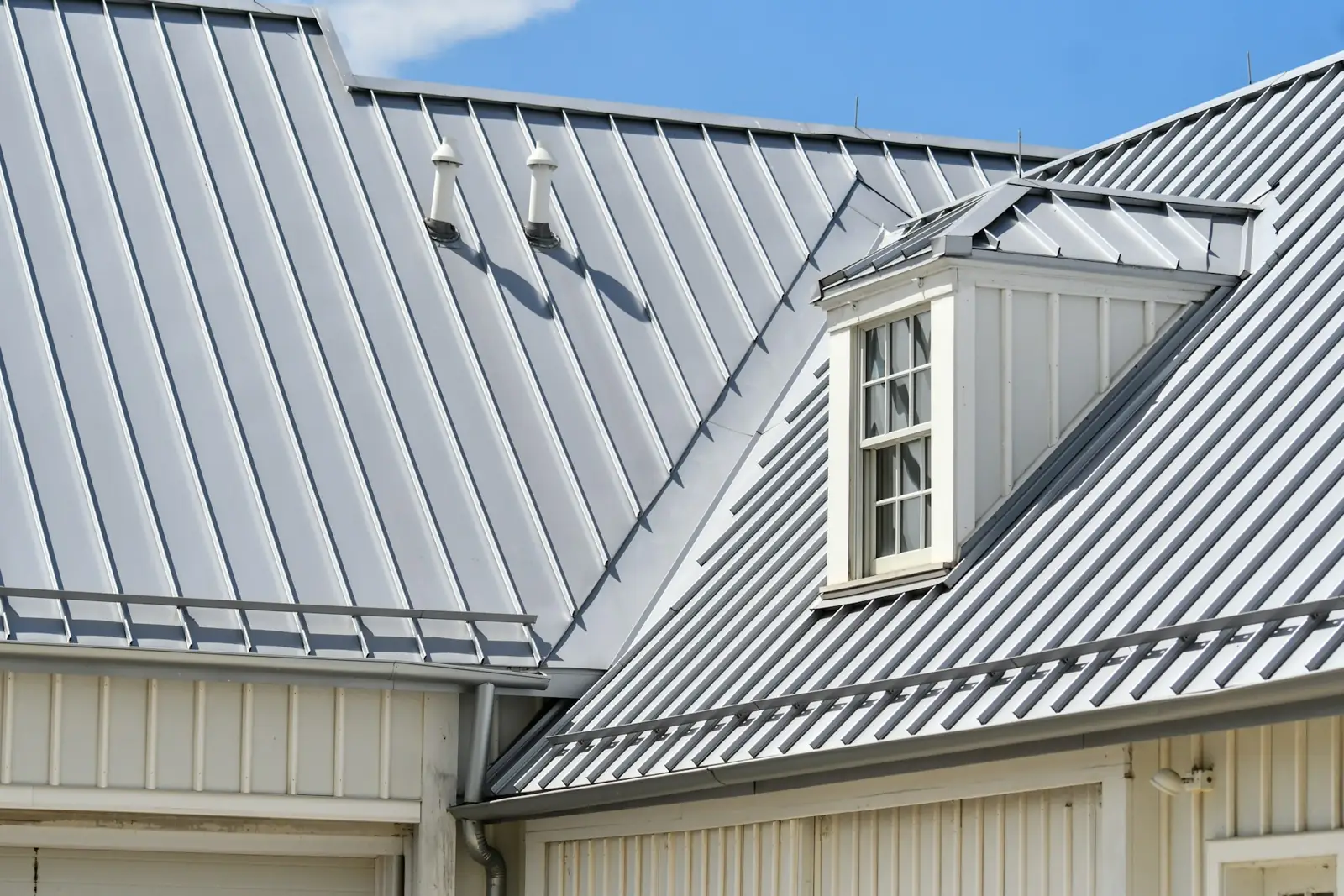
Standing seam metal roofing has seen a surge in popularity across Greater Portland. The reasons are compelling: 50+ year lifespan, superior snow shedding that virtually eliminates ice dam concerns, exceptional energy efficiency, and a modern aesthetic that pairs beautifully with both contemporary and traditional architecture.
Cedar Shakes
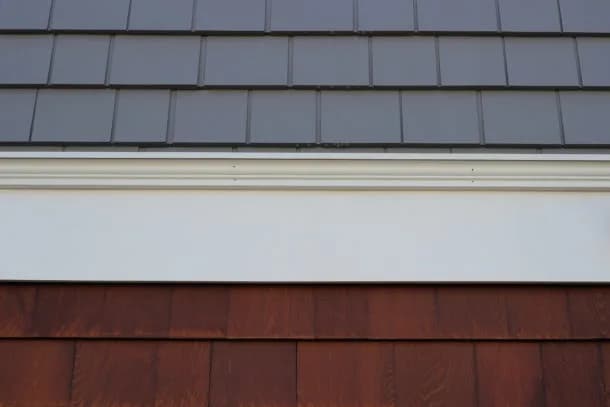
For homeowners seeking authentic New England character, cedar shake roofing delivers a look that no manufactured material can replicate. While requiring more maintenance than asphalt or metal, properly installed and maintained cedar provides natural insulation and ages to a beautiful silver-gray patina.
The Importance of Proper Ventilation
A roofing system is more than just the shingles or panels you see from the street. Proper attic ventilation is critical for preventing ice dams, reducing moisture buildup, extending shingle life, and maintaining energy efficiency. Every roofing project we undertake includes an assessment of your ventilation system to ensure the complete system works together.
Planning Your Roofing Project
The best time to address roofing is before problems become emergencies. Spring and fall are ideal installation seasons in Maine, though our team works year-round when conditions allow. We recommend scheduling an inspection every 3-5 years, and always after significant storm events.
Want to learn more about your roofing options? Visit our roofing services page for detailed information on materials and our installation process, or request a free roof inspection and we'll provide an honest assessment of your roof's condition and remaining life.
Ice Dams and the Eave Detail
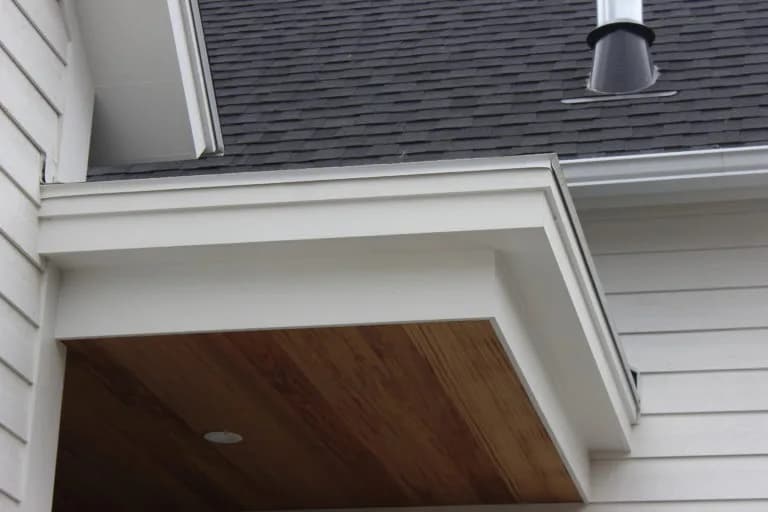
Ice dams form when heat leaking into the attic melts snow on the upper roof and the water refreezes over the cold eaves. The ice holds back more meltwater, which works up under the shingles and into walls and ceilings. The permanent fix sits inside the house: air sealing, insulation and balanced ventilation keep the roof deck cold. On the roof itself, a self-adhering ice barrier at the eaves, in valleys and around penetrations keeps a dam from turning into a leak. Every roof replacement we do includes that layer.
Asphalt or Metal?
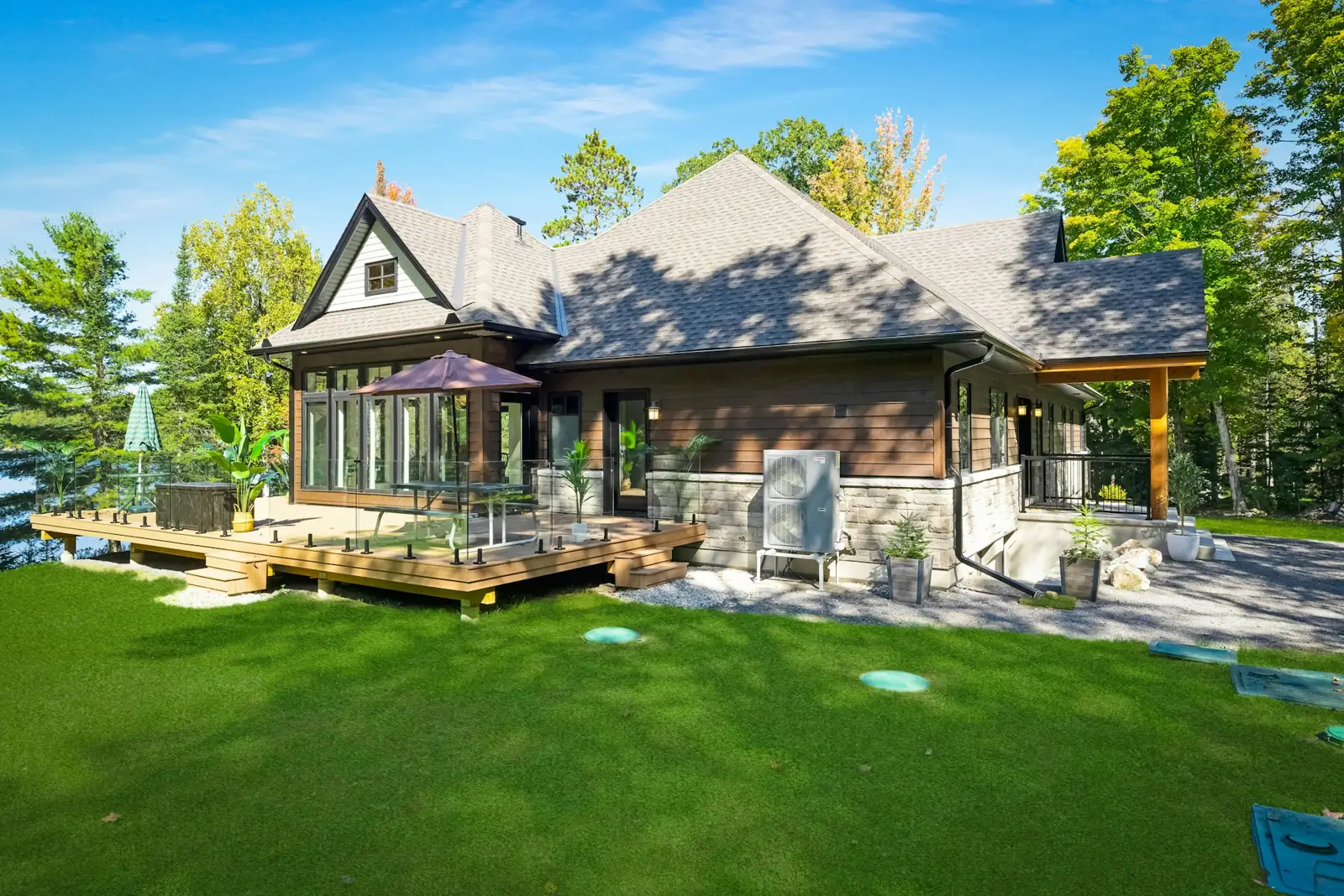
Architectural asphalt shingles are the most common choice in Greater Portland: affordable, available in many colors, and dependable when installed over a proper underlayment with correct nailing. Metal roofing costs more up front but sheds snow, resists wind and lasts far longer. Because snow slides off metal in sheets, snow guards belong over entries, walkways, decks and lower roofs. Metal is especially common on lake camps and rural outbuildings, where low upkeep counts for more than the initial price.
Coast Versus the Lakes Region
Roofs on the coast and roofs inland fail in different ways. On exposed shorefront in Harpswell or Cape Elizabeth, wind uplift and salt air are the main enemies, so fastening patterns, edge metal and corrosion-resistant flashing matter most. In the Sebago Lakes region, from Naples to Bridgton, deeper snow and longer cold spells put ice dams and snow load first. Suburban roofs in Gorham and Windham are often first or second replacements on 1980s and 2000s homes, where ventilation upgrades pay off. Each town page covers local conditions.
Related Guides
If the walls need attention too, a new roof and new siding done together share drip edge and flashing details; read choosing siding for a Maine home and our guide to planning a whole exterior project. For the windows beneath that roof, see energy-efficient windows for Maine homes.