


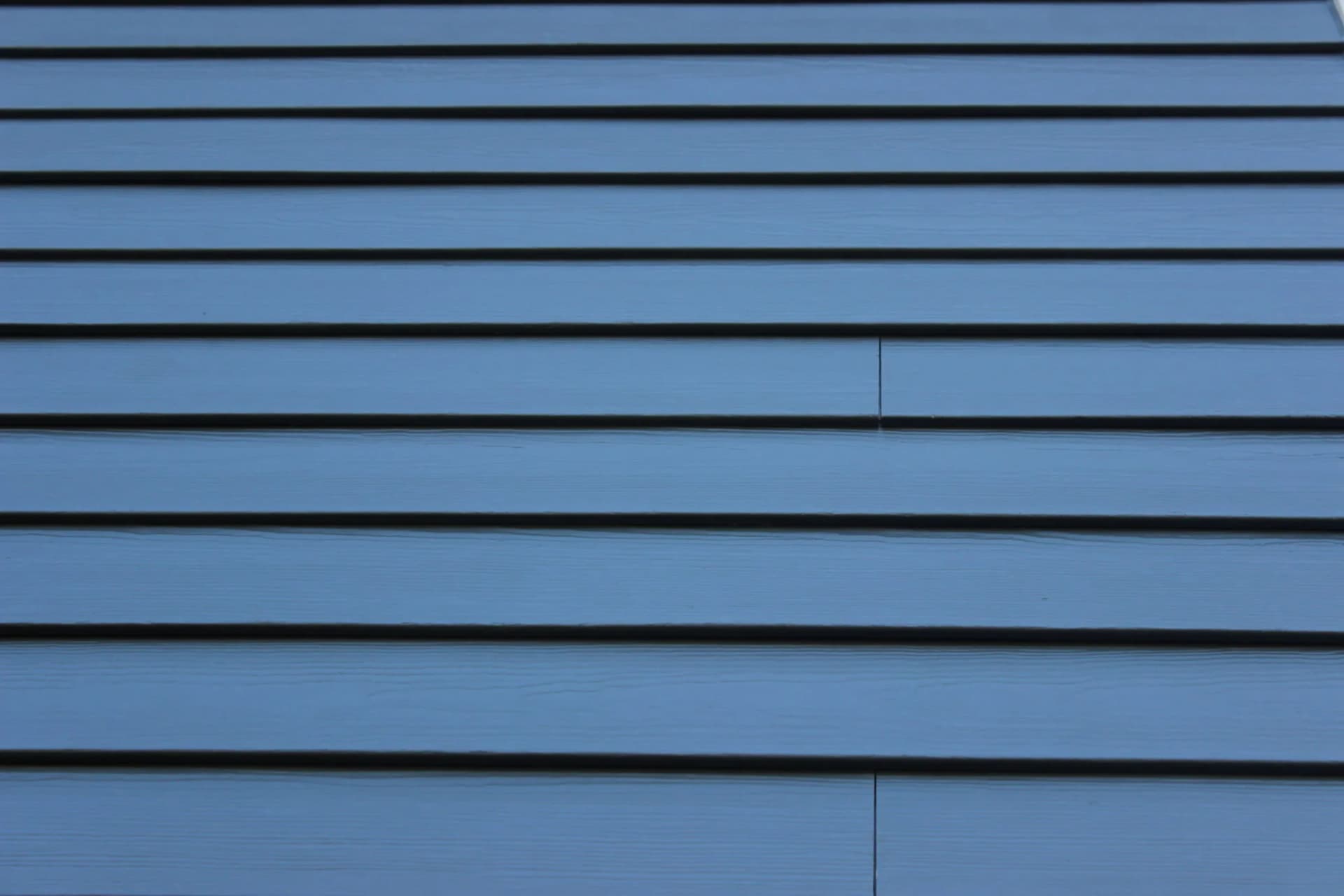
James Hardie Fiber Cement Siding in Naples, Maine
James Hardie Fiber Cement Siding for Naples homes from a family-owned Portland company. An owner measures on site and writes a fixed-price proposal.
- Google reviews
- Fully licensed & insured
- Free estimates
- 20+ years combined experience
James Hardie Fiber Cement Siding for Naples homes
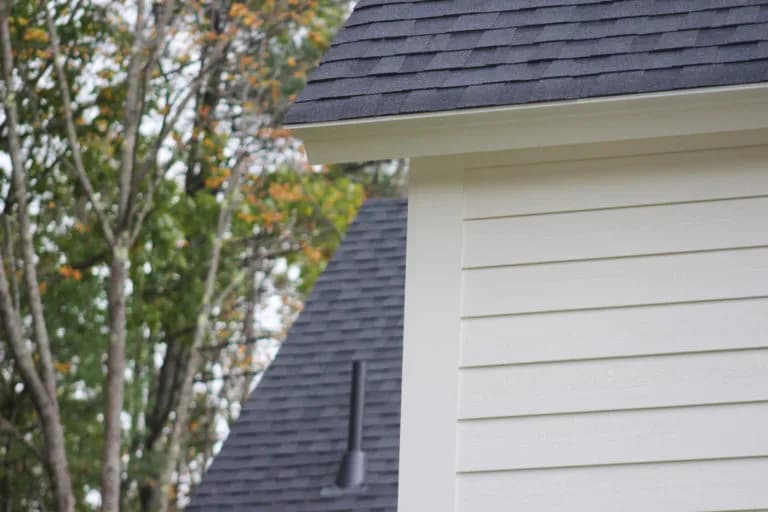
James Hardie fiber cement suits Naples owners who want the look of painted clapboard without the repainting cycle of wood. The Federal-period farmhouses on the old roads, the village buildings near the Causeway and the newer houses built in a traditional style all read naturally in a lap profile with wide trim. The board does not swell when it sits under melting snow, which counts on the low courses of lake houses where snow slides off the roof and piles against the wall for weeks at a time.
Freeze-thaw is the real test for any siding in a place that gets snow from November into April, and fiber cement holds up when it is installed with the clearances Hardie specifies above roofs, decks and grade. Those gaps are easy to skip and are the most common reason boards fail at the bottom edge. Fiber cement is also noncombustible, a point worth weighing for houses set back among pines, where needles and brush reach the foundation. The boards are heavy and brittle before installation, so they are cut with dust control and long lengths are carried on edge. Factory-finished colors reduce painting, which appeals to seasonal owners who would rather not face a maintenance project every few summers.
How a Siding Wall Assembly Works
- Sheathing — the structural wall surface everything else attaches to
- Weather-resistive barrier — a wrapped membrane that stops bulk water while letting vapor escape
- Rainscreen gap — a drainage and drying space between the barrier and the siding
- Siding — the visible cladding, fastened over the furring strips
- Window flashing — tucked under the barrier above and lapped over the siding below, so water never gets behind it
Naples housing at a glance
Census estimates count about 3,360 housing units in Naples, with a median year built of 1988, which makes the stock younger than much of Cumberland County. Only about 4 percent predate 1940 and roughly 15 percent predate 1960. About 20 percent went up between 1960 and 1979, about a third between 1980 and 1999, and about 32 percent in 2000 or later. That matches the town's own history: population grew 91 percent between 1970 and 1980 as Naples became a bedroom community for Greater Portland, and new home approvals climbed again from 2021 to 2023. Roughly 81 percent of units are single-family detached, and about 88 percent of occupied homes are owner-occupied. Around 1,280 units are held for seasonal use, many of them along Long Lake, Brandy Pond and the Sebago shore. A few Federal-period farmhouses, such as the 1796 Manor House on Route 302, survive among them.
Weather and exposure in Naples
Naples is lake country about 30 miles inland, so the weather that wears on houses is snow, cold and wind off open water rather than salt. The National Weather Service station in nearby Gray records about 84 inches of snow in a normal year, with roughly 20 inches in each of January and February, and January nights there average about 14 degrees. Snow that sits on roofs through repeated thaws is what feeds ice dams. Houses facing Long Lake, Brandy Pond or the north end of Sebago take wind that builds across the water, and Sebago itself freezes over completely only every few winters, so that exposure stays open late. Wooded lots back from the shore stay shaded and damp, which slows drying on north walls and deck boards.
Permits and design review in Naples
Permits go through the Naples Planning, Code Enforcement and Building Inspections office at 15 Village Green Lane, open Monday through Thursday, with a minimum fee of $50 per permit. The town requires permits for new buildings and structural alterations, and says its list is not exhaustive, so plan on a permit for any new or replacement deck and check with the office before re-siding or re-roofing. Land within 250 feet of a great pond or river falls under Maine shoreland zoning, and Naples uses a separate Shoreland Zoning building permit application. There is no local historic district; the 2026 comprehensive plan recommends drafting design guidelines for the Village District.
Naples at a Glance
What the housing stock and local code enforcement mean for a siding, window, roofing or deck job here.
3,985
Population (ACS estimate)
Median year built: 1988
Mostly vinyl or fiber-cement siding and insulated replacement windows from recent decades.
State Building & Energy Code (MUBEC)
Local option — population under 4,000
EPA Lead-Safe Rule (pre-1978 homes)
Applies to at least 15% of homes here
Shoreland Zoning
Applies near the water
Permits
Naples Code Enforcement / Planning and Code Department
Codes & Permits for Fiber Cement Siding in Naples
In Naples, exterior-work permits come from the Naples Code Enforcement / Planning and Code Department (15 Village Green Lane, PO Box 1757, Naples, ME 04055, (207) 693-6364). Naples sits at or under the 4,000-resident line where MUBEC enforcement is a local option rather than a state mandate.
- Maine's adopted 2021 IRC (R703.10) requires fiber-cement siding products to be installed per the manufacturer's instructions, with fasteners penetrating a minimum of 1.5 inches into framing when installed over foam sheathing, per R703.3.4. up.codes
- General weep-screed/clearance drainage language elsewhere in R703 calls for a minimum 4-inch clearance above earth (2 inches above paved areas) for water-resistive assemblies — the same drainage principle commonly applied to keep fiber-cement board clear of grade/splash-back moisture, though this is a general R703 drainage provision rather than a fiber-cement-specific clearance number. up.codes
- Maine's Shoreland Zoning Act creates a regulated shoreland zone extending 250 feet (horizontal distance) from the normal high-water line of any great pond, river, or coastal wetland, and 75 feet from certain streams; the Act's stated purposes include protecting buildings and land from flooding/erosion and controlling water pollution, and it governs deck and other structure setbacks and the expansion of nonconforming structures within that zone (specific setback/expansion rules are set at the municipal-ordinance level under the state's model guidelines). maine.gov
- By Maine law (25 M.R.S. §2373), 'the code must be enforced in a municipality that has more than 4,000 residents' (per the most recent federal census); municipalities at or below that population are not required to adopt/enforce MUBEC but may opt in locally, per the state's own program page: 'All municipalities with a population greater than 4,000 are required, by statute, to enforce the MUBEC. Municipalities with a population under 4,000 may choose to enforce the MUBEC.' mainelegislature.org
How Cardinal Exteriors Handles Fiber Cement Siding in Naples
- With 3,985 residents, Naples falls below the threshold for mandatory statewide code enforcement, but that doesn't change the permit and inspection Cardinal builds to on every job here.
- At least 15% of Naples's homes predate 1960 — well ahead of 1978, when the EPA's lead-safe renovation rule kicks in — so we plan for lead-safe work practices on James Hardie fiber cement siding whenever painted surfaces come off an older house here.
- Because Naples has coastal, lake or river frontage, Maine's Mandatory Shoreland Zoning Act may apply to work close to the water, which can affect setbacks on a rebuild.
- We file for James Hardie fiber cement siding permits at the Naples Code Enforcement / Planning and Code Department before work starts, not after.
Boat storage along State Park Road in Naples, near the historic Songo Lock and the entrance to Sebago Lake State Park.
Street View © Google
What James Hardie fiber cement siding involves
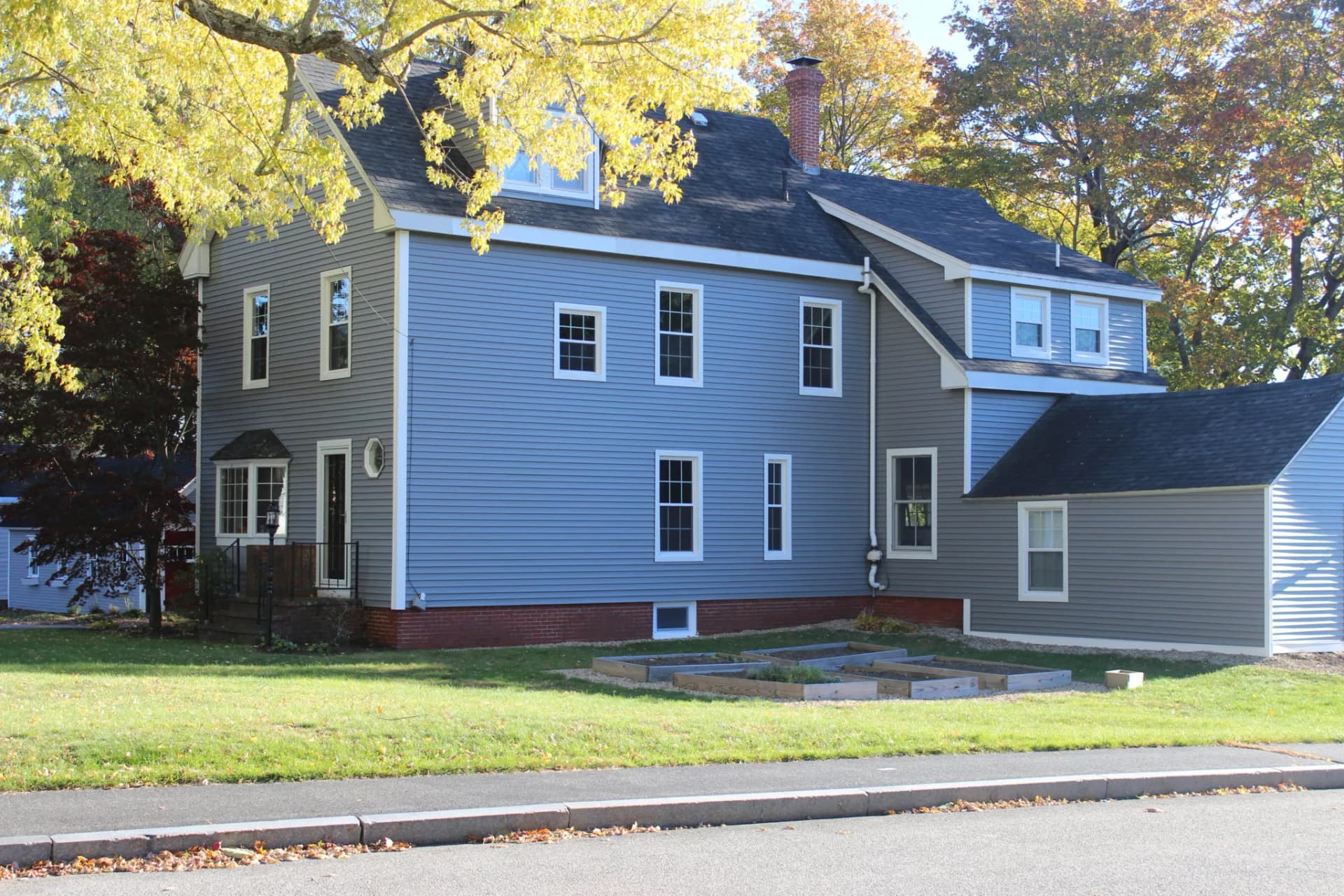
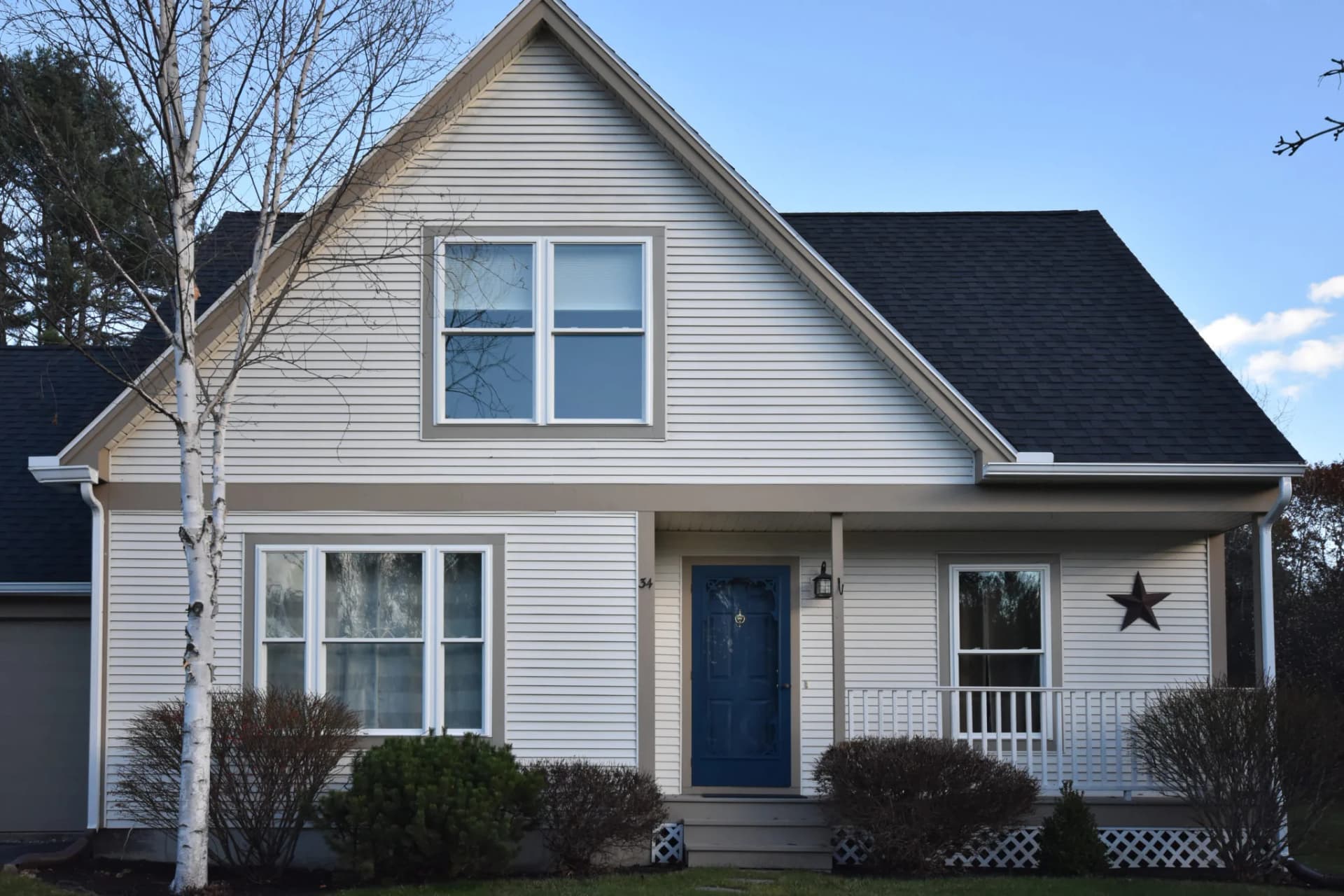
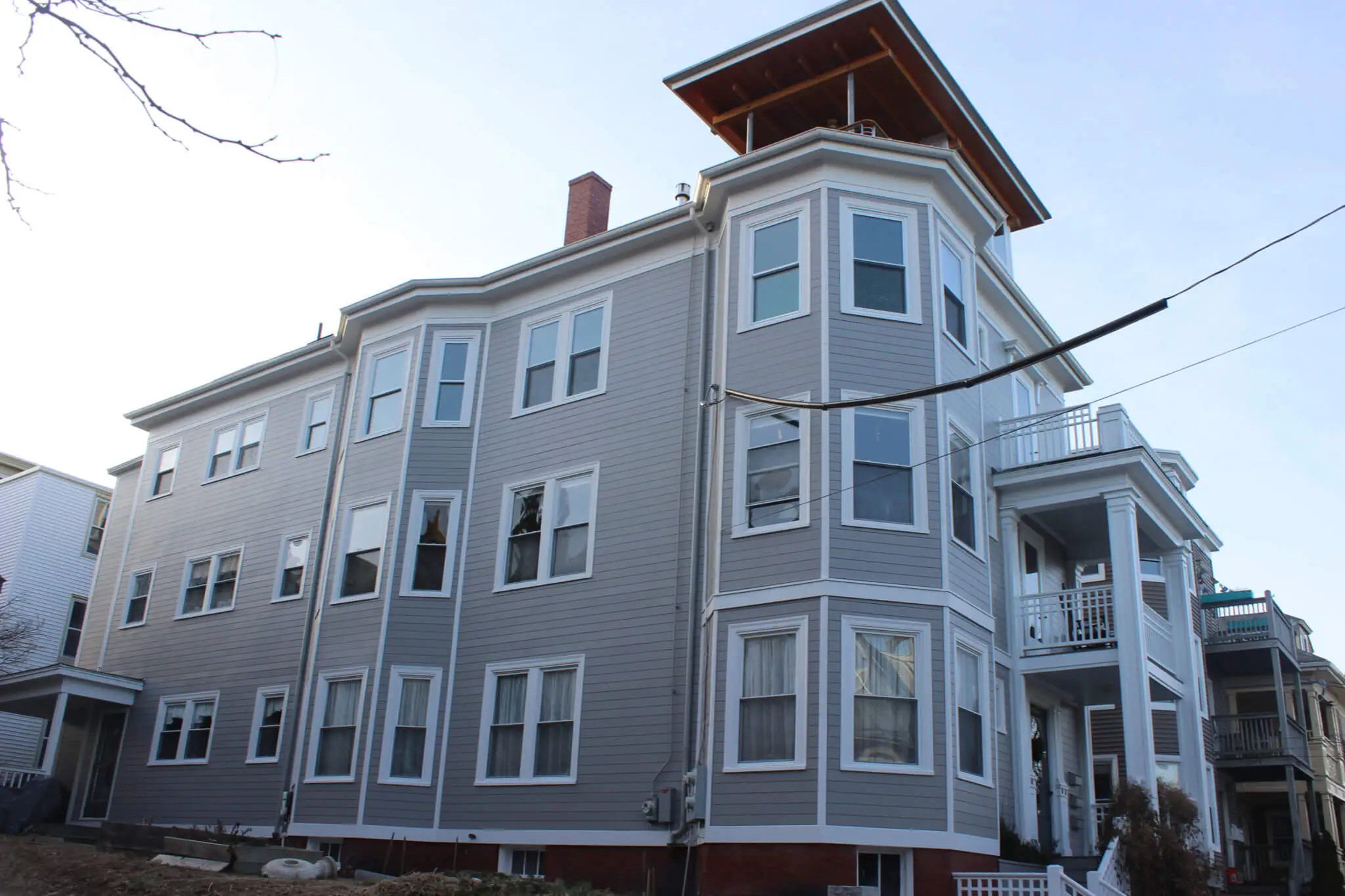
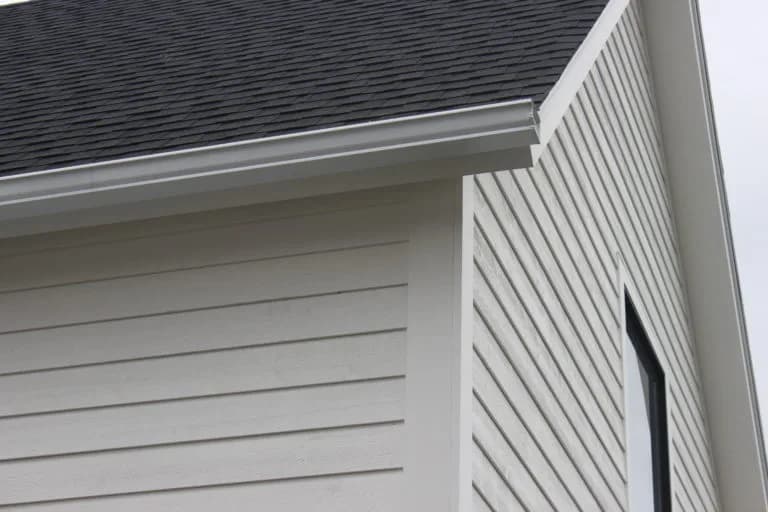
Fiber cement is a mix of cement, sand and cellulose fiber pressed into planks, shingles and panels. It does not rot, insects do not eat it, it will not burn, and factory-applied finishes hold color far longer than site-painted wood. It is heavier and more exacting to install than vinyl, which is exactly why installation quality shows. The Back Cove home on this site was re-sided with a complete James Hardie package of wood-grain plank.
- Walls are stripped, repaired and wrapped, with flashing at every opening and roof-to-wall joint.
- Boards are cut with dust-controlled tools and fastened to the manufacturer's nailing schedule.
- Required clearances are held above roofs, decks and grade so the ends never sit in water or snow.
- Butt joints get flashing behind them, and cut ends are sealed or primed as the manufacturer specifies.
- Trim, caulk lines and touch-up are finished so the pre-finished color stays uniform.
Signs it is time
- You want the look of painted clapboard without the paint cycle
- Wood siding keeps rotting at the bottom courses and around trim
- The house sits in wind and salt exposure that punishes other materials
- You want a non-combustible exterior
What affects the price of James Hardie fiber cement siding
- Product line and profile: lap plank, shingle, panel or board-and-batten
- Pre-finished color versus site painting
- Trim package and detailing
- Tear-off, sheathing repair and house height
- Number of windows, doors and corners to flash and trim
Every job is priced from a free on-site visit. Typical ranges for the trade are on our siding page, and the details of this service are on the James Hardie fiber cement siding overview.
For a deeper walkthrough of materials, code details and photos, see our full James Hardie Fiber Cement Siding: Why It Holds Up Through a Maine Freeze-Thaw Cycle guide.
More in Naples and nearby
Back to the Naples exterior services overview, or see every town on our service areas page.
Other exterior work in Naples
- Cedar Siding & Shingles in Naples
- Window Replacement in Naples
- Bay & Picture Windows in Naples
- Roof Replacement in Naples
- Asphalt Shingle Roofing in Naples
- Metal Roofing in Naples
- Deck Building in Naples
- Composite & PVC Decks in Naples
- Deck Replacement in Naples
- Siding Replacement in Naples
- Vinyl Siding Installation in Naples
Get a free James Hardie fiber cement siding estimate in Naples
Tell us about the house and what you want changed. One of the owners will call to set up a visit, measure, and write a fixed-price proposal. No pressure, no obligation.
Need it today?Call Mike (207) 408-5388
or Bob at (207) 252-0759
More ways we can help
Google reviewsCompany
6Learn more about how we work, starting with…
Services
16We also cover related services across Greater Portland, such as…
Service Areas
38You will find our crews working in towns including…