
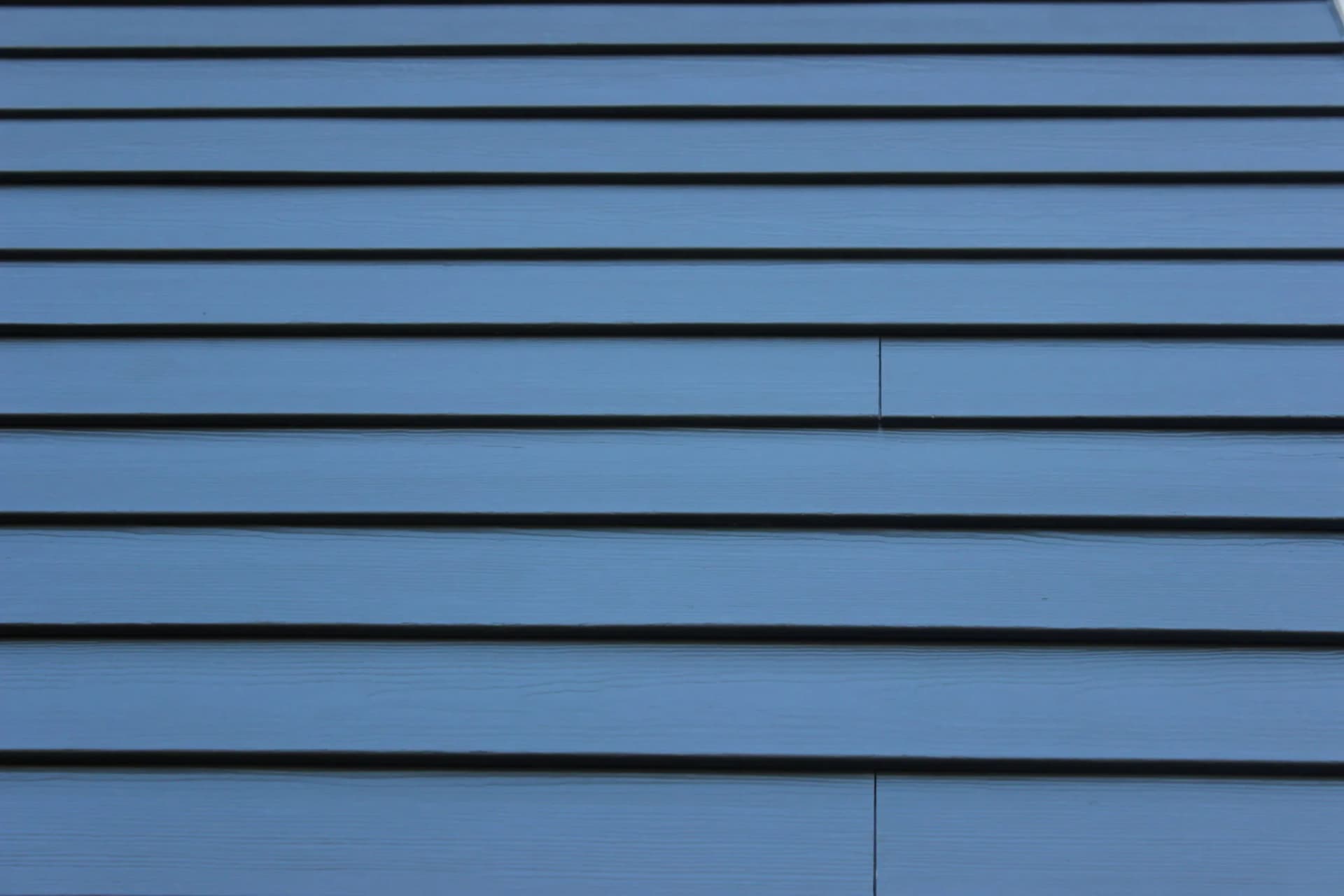
James Hardie Fiber Cement Siding in Raymond, Maine
James Hardie Fiber Cement Siding for Raymond homes from a family-owned Portland company. An owner measures on site and writes a fixed-price proposal.
- 5.0 · 8 Google reviews
- Fully licensed & insured
- Free estimates
- 20+ years combined experience
James Hardie Fiber Cement Siding for Raymond homes
James Hardie fiber cement suits the Raymond houses where wood clapboard is part of the look: the older farmhouses, the 19th-century buildings around Raymond Village and East Raymond, and lake homes whose owners want a painted-wood appearance without repainting every few years. Fiber cement is dimensionally stable through the freeze-thaw swings that come with a snowy inland winter, and it does not soften or feed rot on a damp, shaded wall the way untreated wood can. Factory-applied finishes hold color well on walls that face the sun off Sebago Lake.
Fire is worth a thought in a town this wooded. Fiber cement is noncombustible, which adds a margin on a house surrounded by pine and hemlock or on a camp road where help takes longer to arrive. It is heavier than vinyl and takes more careful installation, including correct clearances above roofs, decks and grade so the board ends are not sitting in snowmelt. On an old camp with irregular framing, the walls often need shimming or strapping to get the straight lines fiber cement shows off. That is the kind of detail the fixed written proposal spells out before work begins.
Raymond housing at a glance
Census estimates put Raymond at about 3,050 housing units with a median year built of 1976. About 15 percent predate 1940 and roughly 31 percent predate 1960, while another 23 percent went up between 1960 and 1979 and about 22 percent date from 2000 or later. Around 94 percent are single-family detached houses, and roughly 90 percent of occupied homes are owner-occupied. The standout figure is seasonal use: about 1,010 units are held for seasonal or recreational occupancy, and the town comprehensive plan puts seasonal homes at over a third of the stock. That plan also notes the summer camps, cottages and lodges built along the lakes in the early and mid 20th century, older farmhouses at rural crossroads, and a wave of summer residents who began making Raymond their permanent home in the 1950s, which is why so many camps have been winterized and enlarged.
Weather and exposure in Raymond
Raymond is inland lake country, not coast, so salt spray is not the issue. Snow and cold are. The National Weather Service forecast office sits in neighboring Gray, and its 1991-2020 normals show about 84 inches of snow a year, well above the roughly 69 inches recorded at the Portland Jetport. Much of that arrives from December through March, with repeated thaws and refreezes in between. Houses on the shore of Sebago Lake take the wind that builds across miles of open water, and because Sebago does not reliably freeze over, that open water stays exposed deep into winter. Wooded lots elsewhere in town stay damp and shaded, so north walls, roof valleys and deck boards are slow to dry after rain or melt.
Permits and design review in Raymond
Permits run through the Raymond Code Enforcement Office at the town office on Webbs Mills Road, which uses an online permitting system and books meetings by appointment. The town building code page lists building a deck as work that needs a permit, and says residing, reroofing and same-size window replacement do not, as long as no structure or required egress is changed. Allow about 48 hours for processing. Raymond enforces the Maine Uniform Building and Energy Code, including the 2021 IRC. Work within 100 feet of the high water mark should start with a call to the Code Enforcement Officer, since shoreland rules, and sometimes a state DEP permit, apply.
What James Hardie fiber cement siding involves
Fiber cement is a mix of cement, sand and cellulose fiber pressed into planks, shingles and panels. It does not rot, insects do not eat it, it will not burn, and factory-applied finishes hold color far longer than site-painted wood. It is heavier and more exacting to install than vinyl, which is exactly why installation quality shows. The Back Cove home on this site was re-sided with a complete James Hardie package of wood-grain plank.
- Walls are stripped, repaired and wrapped, with flashing at every opening and roof-to-wall joint.
- Boards are cut with dust-controlled tools and fastened to the manufacturer's nailing schedule.
- Required clearances are held above roofs, decks and grade so the ends never sit in water or snow.
- Butt joints get flashing behind them, and cut ends are sealed or primed as the manufacturer specifies.
- Trim, caulk lines and touch-up are finished so the pre-finished color stays uniform.
Signs it is time
- You want the look of painted clapboard without the paint cycle
- Wood siding keeps rotting at the bottom courses and around trim
- The house sits in wind and salt exposure that punishes other materials
- You want a non-combustible exterior
What affects the price of James Hardie fiber cement siding
- Product line and profile: lap plank, shingle, panel or board-and-batten
- Pre-finished color versus site painting
- Trim package and detailing
- Tear-off, sheathing repair and house height
- Number of windows, doors and corners to flash and trim
Every job is priced from a free on-site visit. Typical ranges for the trade are on our siding page, and the details of this service are on the James Hardie fiber cement siding overview.
More in Raymond and nearby
Back to the Raymond exterior services overview, or see every town on our Cumberland County service areas page.
Other exterior work in Raymond
- Cedar Siding & Shingles in Raymond
- Window Replacement in Raymond
- Bay & Picture Windows in Raymond
- Roof Replacement in Raymond
- Asphalt Shingle Roofing in Raymond
- Metal Roofing in Raymond
- Deck Building in Raymond
- Composite & PVC Decks in Raymond
- Deck Replacement in Raymond
- Siding Replacement in Raymond
- Vinyl Siding Installation in Raymond
Get a free James Hardie fiber cement siding estimate in Raymond
Tell us about the house and what you want changed. One of the owners will call to set up a visit, measure, and write a fixed-price proposal. No pressure, no obligation.
Need it today?Call Mike (207) 408-5388
or Bob at (207) 252-0759