


James Hardie Fiber Cement Siding in Old Orchard Beach, Maine
James Hardie Fiber Cement Siding for Old Orchard Beach homes from a family-owned Portland company. An owner measures on site and writes a fixed-price proposal.
- Google reviews
- Fully licensed & insured
- Free estimates
- 20+ years combined experience
James Hardie Fiber Cement Siding for Old Orchard Beach homes
James Hardie fiber cement is well suited to Old Orchard Beach's direct ocean exposure. It does not rot, does not feed insects, and its factory finish resists salt air and sun far longer than a repainted wood wall, which matters on beachfront and Pier-district properties that take the weather straight off the Atlantic almost every storm that comes through.
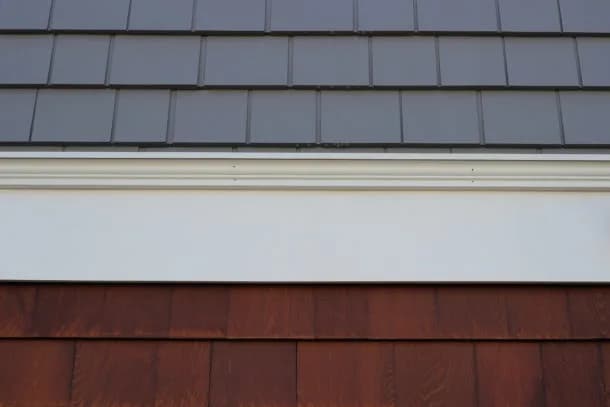
At Ocean Park, fiber cement's lap and shingle profiles can match the traditional look of the community's older Chautauqua-era cottages while eliminating the repainting cycle that wears on owners of century-old wood siding. It is noncombustible as well, worth noting on closely built cottages near the pier district. It is heavier than vinyl and needs dust-controlled cutting, and every joint and window head needs correct flashing to hold up to the town's coastal exposure over time.
How a Siding Wall Assembly Works
- Sheathing — the structural wall surface everything else attaches to
- Weather-resistive barrier — a wrapped membrane that stops bulk water while letting vapor escape
- Rainscreen gap — a drainage and drying space between the barrier and the siding
- Siding — the visible cladding, fastened over the furring strips
- Window flashing — tucked under the barrier above and lapped over the siding below, so water never gets behind it
Old Orchard Beach housing at a glance
Census estimates put Old Orchard Beach's median home built around 1982, with about 23 percent of the housing predating 1940 and roughly 31 percent predating 1960. Much of the town's older stock sits close to the beach and the pier, where small cottages and converted motels have been rebuilt and re-clad repeatedly over decades of storm exposure and changing ownership. Ocean Park, the historic Chautauqua-era summer community on the town's south end, holds a cluster of older cottages with more traditional New England detailing. Away from the immediate shorefront, Old Orchard Beach's year-round neighborhoods run to more ordinary capes and ranches typical of coastal York County.
Weather and exposure in Old Orchard Beach
Old Orchard Beach's whole identity runs on its beach, and that same beach means every house near the water takes nor'easters, storm surge and wind-driven rain with very little between it and the open Atlantic. The town's shoreland rules recognize this with a Highest Annual Tide overlay in areas like Ocean Park, on top of the standard shoreland zone. Salt air corrodes fasteners, flashing and gutters faster near the water than a few blocks inland, and winter brings the same freeze-thaw cycling and snow load as the rest of coastal Maine, with wind exposure that is sharper right along the beachfront.
Permits and design review in Old Orchard Beach
Building permits in Old Orchard Beach go through the Code Enforcement Department at the Town Hall on Portland Avenue, covering building, electrical, plumbing and sewer-connection work through one office. Because the whole town sits on the coast, a Shoreland Overlay Zone extends 250 feet from the ocean's normal high-water line, with a stricter Highest Annual Tide overlay layered on top in areas like Ocean Park, both of which affect how close new construction and rebuilding can sit to the water. Not every property is on the town's municipal sewer system, so some permits still reference individual septic systems.
Old Orchard Beach at a Glance
What the housing stock and local code enforcement mean for a siding, window, roofing or deck job here.
9,244
Population (ACS estimate)
Median year built: 1982
Mostly vinyl or fiber-cement siding and insulated replacement windows from recent decades.
State Building & Energy Code (MUBEC)
Enforced — population over 4,000
EPA Lead-Safe Rule (pre-1978 homes)
Applies to at least 31% of homes here
Shoreland Zoning
Applies near the water
Permits
Old Orchard Beach Code Enforcement Department
Codes & Permits for Fiber Cement Siding in Old Orchard Beach
In Old Orchard Beach, exterior-work permits come from the Old Orchard Beach Code Enforcement Department (1 Portland Avenue, Old Orchard Beach, ME 04064, (207) 937-5645). With 9,244 residents, over 4,000, Old Orchard Beach is required to enforce the Maine Uniform Building and Energy Code (MUBEC).
- Maine's adopted 2021 IRC (R703.10) requires fiber-cement siding products to be installed per the manufacturer's instructions, with fasteners penetrating a minimum of 1.5 inches into framing when installed over foam sheathing, per R703.3.4. up.codes
- General weep-screed/clearance drainage language elsewhere in R703 calls for a minimum 4-inch clearance above earth (2 inches above paved areas) for water-resistive assemblies — the same drainage principle commonly applied to keep fiber-cement board clear of grade/splash-back moisture, though this is a general R703 drainage provision rather than a fiber-cement-specific clearance number. up.codes
- Maine's Shoreland Zoning Act creates a regulated shoreland zone extending 250 feet (horizontal distance) from the normal high-water line of any great pond, river, or coastal wetland, and 75 feet from certain streams; the Act's stated purposes include protecting buildings and land from flooding/erosion and controlling water pollution, and it governs deck and other structure setbacks and the expansion of nonconforming structures within that zone (specific setback/expansion rules are set at the municipal-ordinance level under the state's model guidelines). maine.gov
- By Maine law (25 M.R.S. §2373), 'the code must be enforced in a municipality that has more than 4,000 residents' (per the most recent federal census); municipalities at or below that population are not required to adopt/enforce MUBEC but may opt in locally, per the state's own program page: 'All municipalities with a population greater than 4,000 are required, by statute, to enforce the MUBEC. Municipalities with a population under 4,000 may choose to enforce the MUBEC.' mainelegislature.org
How Cardinal Exteriors Handles Fiber Cement Siding in Old Orchard Beach
- With 9,244 residents, Old Orchard Beach is over Maine's 4,000-resident line, so the town enforces the statewide Uniform Building and Energy Code (MUBEC) on top of its own permit process.
- At least 31% of Old Orchard Beach's homes predate 1960 — well ahead of 1978, when the EPA's lead-safe renovation rule kicks in — so we plan for lead-safe work practices on James Hardie fiber cement siding whenever painted surfaces come off an older house here.
- Old Orchard Beach's shoreline, lake or river frontage falls under Maine's Mandatory Shoreland Zoning Act, so we check setback rules before work starts near the water.
- We file for James Hardie fiber cement siding permits at the Old Orchard Beach Code Enforcement Department before work starts, not after.
A boardwalk beach-access path off Dube Street in Old Orchard Beach.
Street View © Google
What James Hardie fiber cement siding involves
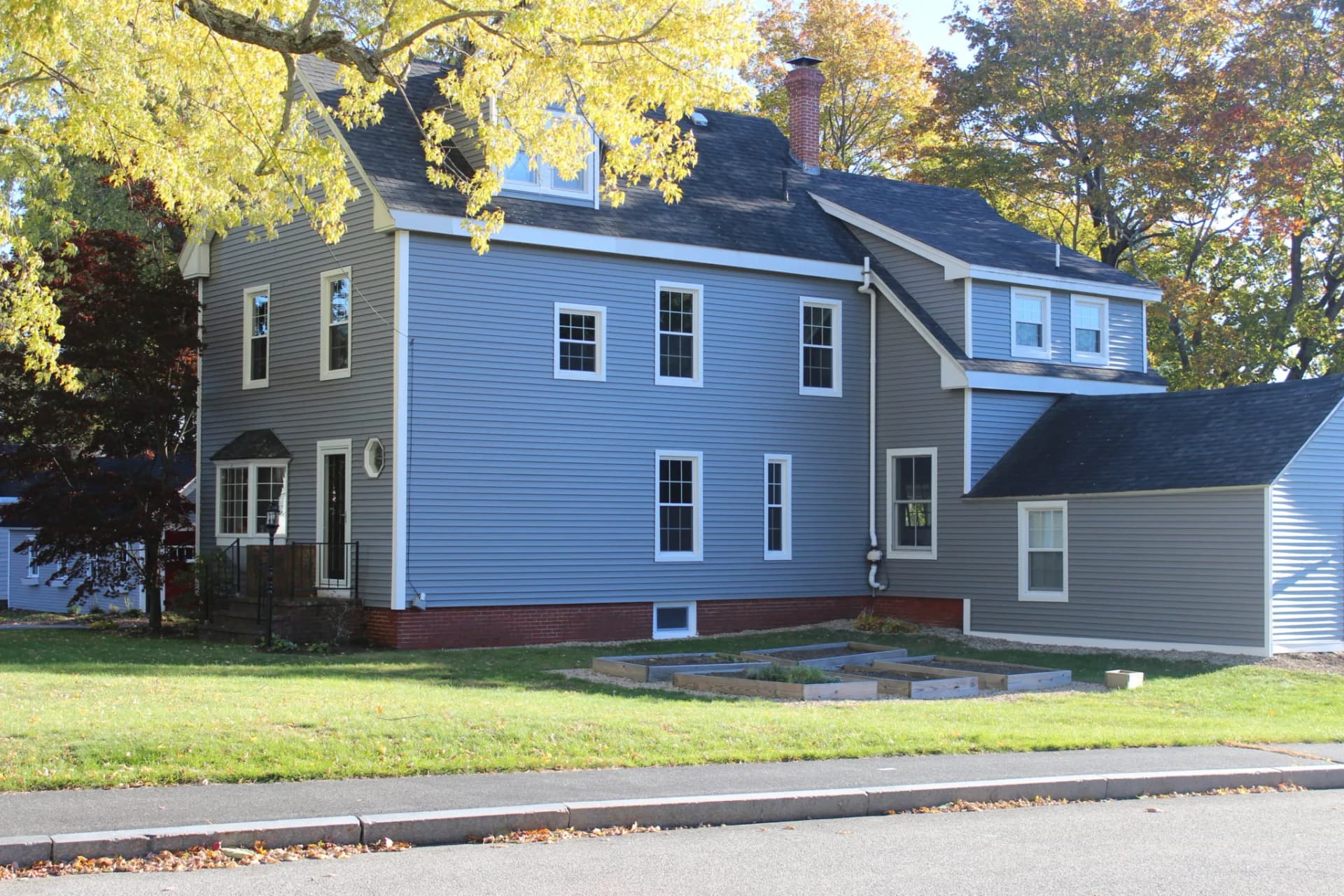
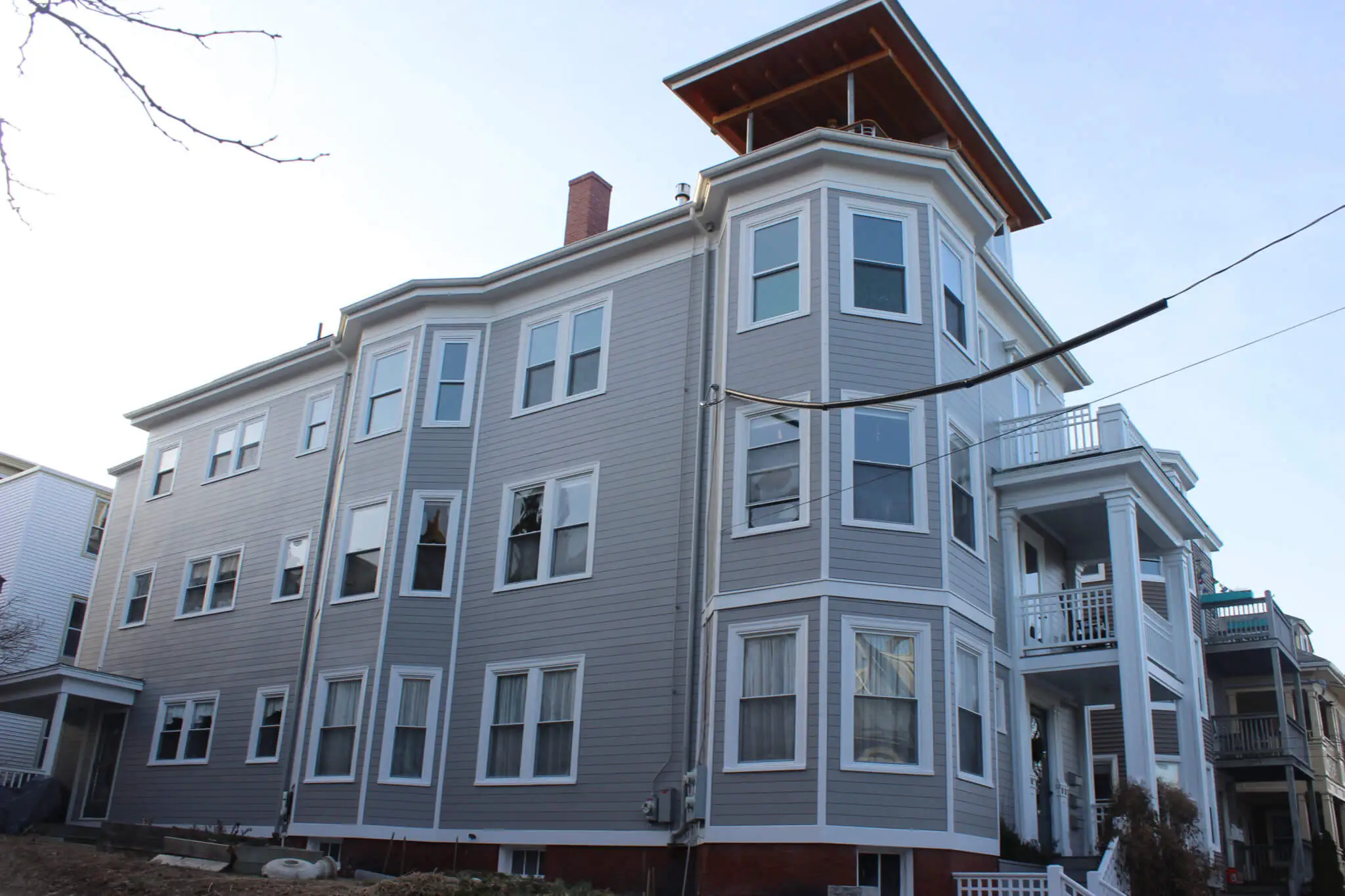
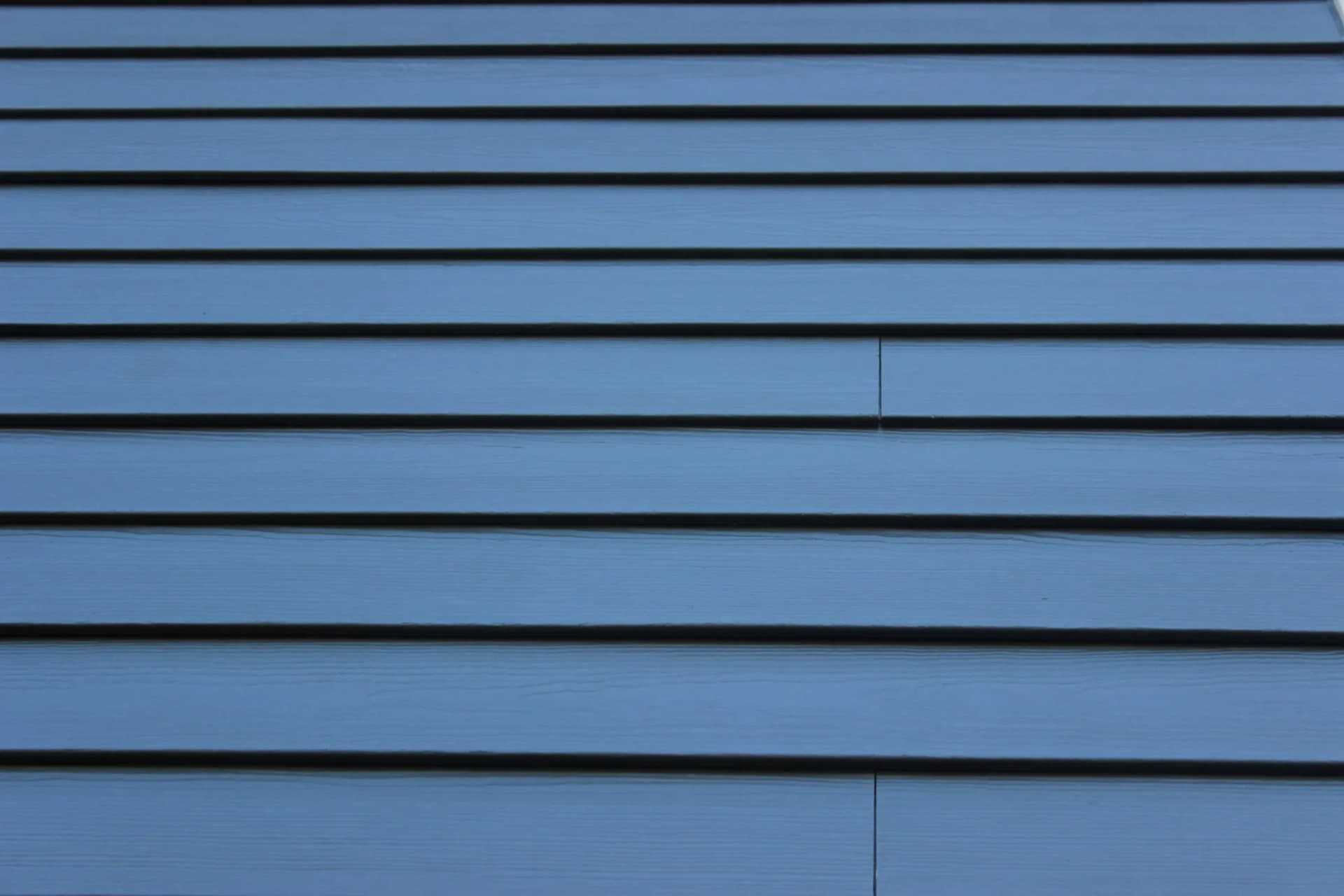
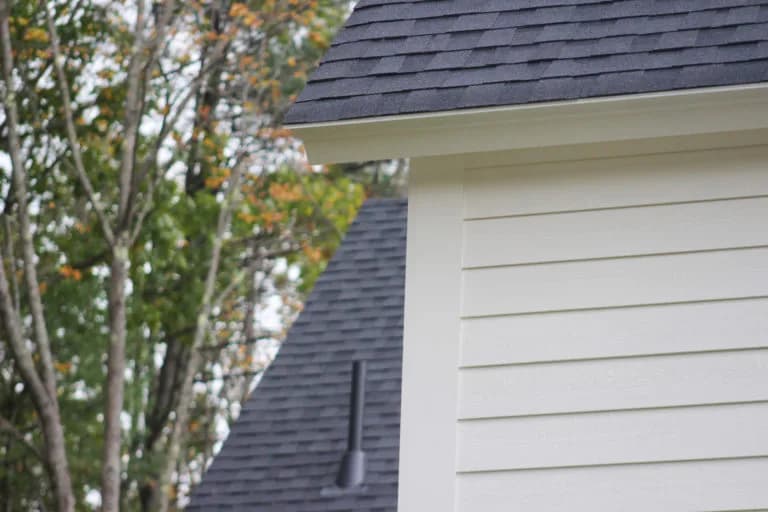
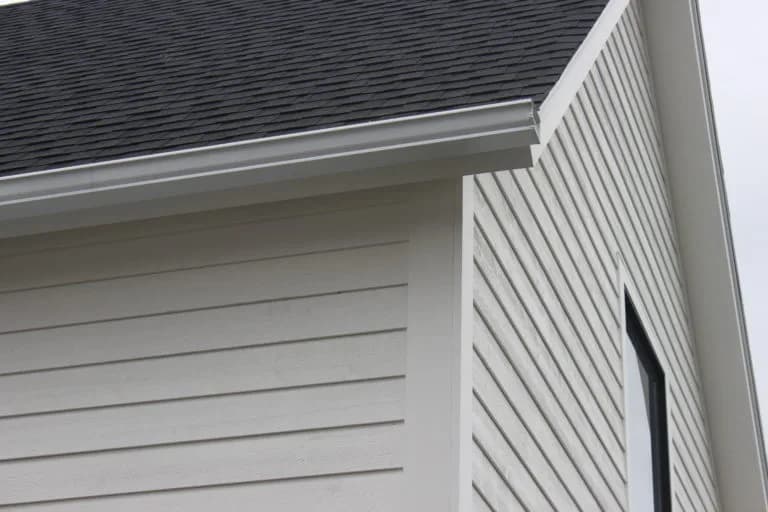
Fiber cement is a mix of cement, sand and cellulose fiber pressed into planks, shingles and panels. It does not rot, insects do not eat it, it will not burn, and factory-applied finishes hold color far longer than site-painted wood. It is heavier and more exacting to install than vinyl, which is exactly why installation quality shows. The Back Cove home on this site was re-sided with a complete James Hardie package of wood-grain plank.
- Walls are stripped, repaired and wrapped, with flashing at every opening and roof-to-wall joint.
- Boards are cut with dust-controlled tools and fastened to the manufacturer's nailing schedule.
- Required clearances are held above roofs, decks and grade so the ends never sit in water or snow.
- Butt joints get flashing behind them, and cut ends are sealed or primed as the manufacturer specifies.
- Trim, caulk lines and touch-up are finished so the pre-finished color stays uniform.
Signs it is time
- You want the look of painted clapboard without the paint cycle
- Wood siding keeps rotting at the bottom courses and around trim
- The house sits in wind and salt exposure that punishes other materials
- You want a non-combustible exterior
What affects the price of James Hardie fiber cement siding
- Product line and profile: lap plank, shingle, panel or board-and-batten
- Pre-finished color versus site painting
- Trim package and detailing
- Tear-off, sheathing repair and house height
- Number of windows, doors and corners to flash and trim
Every job is priced from a free on-site visit. Typical ranges for the trade are on our siding page, and the details of this service are on the James Hardie fiber cement siding overview.
For a deeper walkthrough of materials, code details and photos, see our full James Hardie Fiber Cement Siding: Why It Holds Up Through a Maine Freeze-Thaw Cycle guide.
More in Old Orchard Beach and nearby
Back to the Old Orchard Beach exterior services overview, or see every town on our service areas page.
Other exterior work in Old Orchard Beach
- Cedar Siding & Shingles in Old Orchard Beach
- Window Replacement in Old Orchard Beach
- Bay & Picture Windows in Old Orchard Beach
- Roof Replacement in Old Orchard Beach
- Asphalt Shingle Roofing in Old Orchard Beach
- Metal Roofing in Old Orchard Beach
- Deck Building in Old Orchard Beach
- Composite & PVC Decks in Old Orchard Beach
- Deck Replacement in Old Orchard Beach
- Siding Replacement in Old Orchard Beach
- Vinyl Siding Installation in Old Orchard Beach
Fiber Cement Siding in nearby towns
Get a free James Hardie fiber cement siding estimate in Old Orchard Beach
Tell us about the house and what you want changed. One of the owners will call to set up a visit, measure, and write a fixed-price proposal. No pressure, no obligation.
Need it today?Call Mike (207) 408-5388
or Bob at (207) 252-0759
More ways we can help
Google reviewsServices
16We provide complete siding, window, roofing and deck work, including…
Service Areas
38Our service area reaches across Greater Portland, from…