
Roof Replacement in South Portland, Maine
Roof Replacement for South Portland homes from a family-owned Portland company. An owner measures on site and writes a fixed-price proposal.
- Google reviews
- Fully licensed & insured
- Free estimates
- 20+ years combined experience
Roof Replacement for South Portland homes
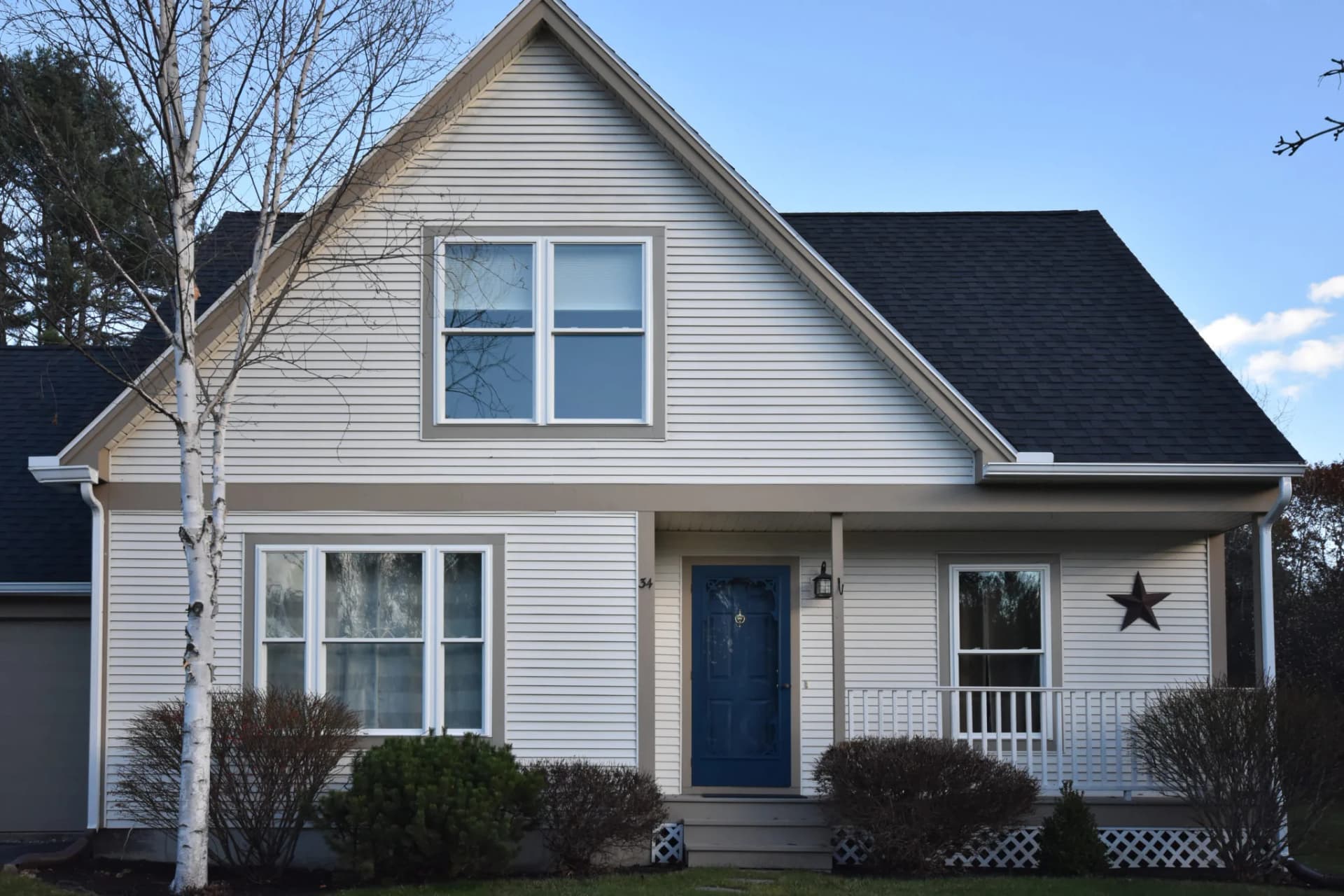
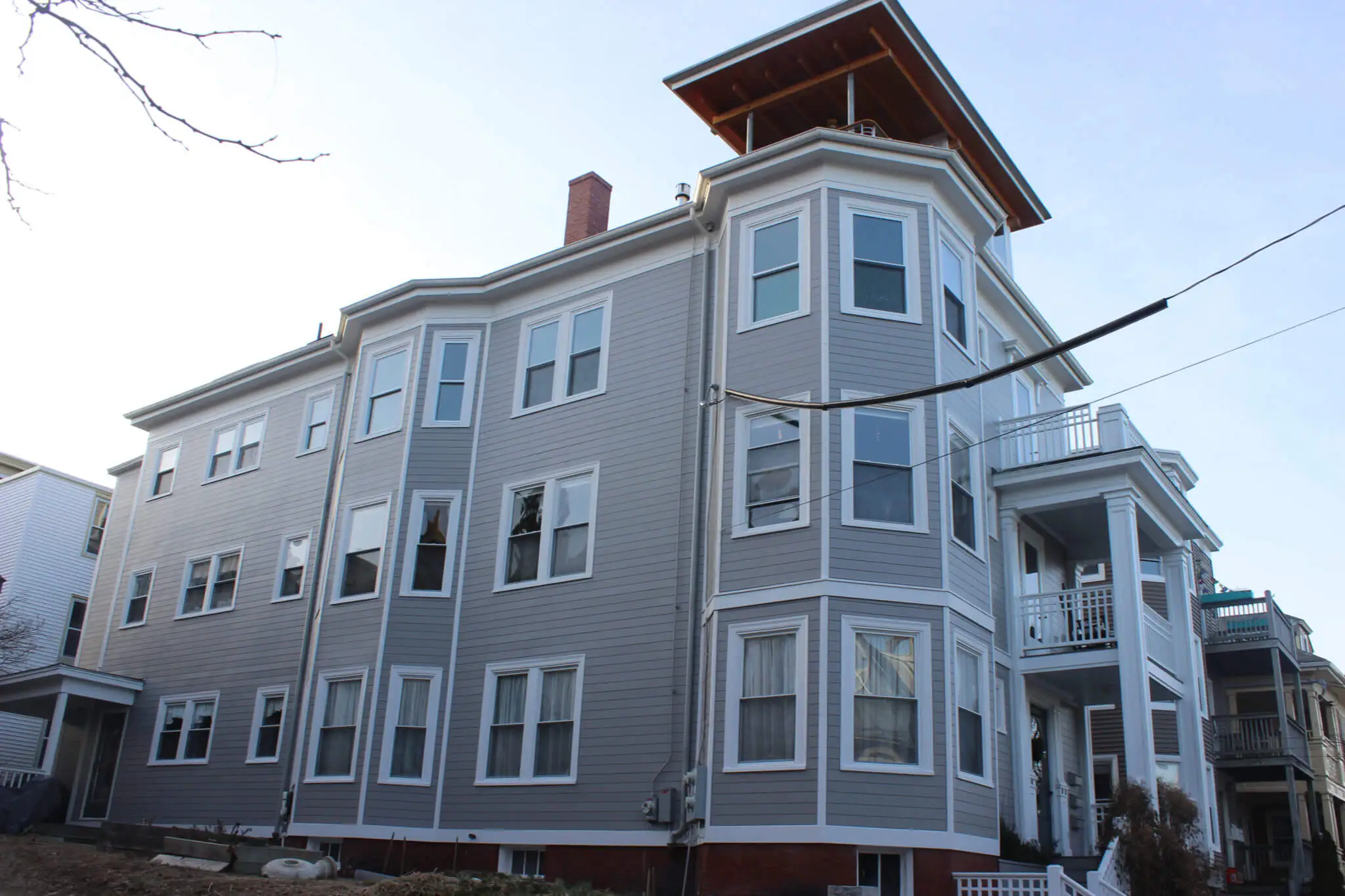
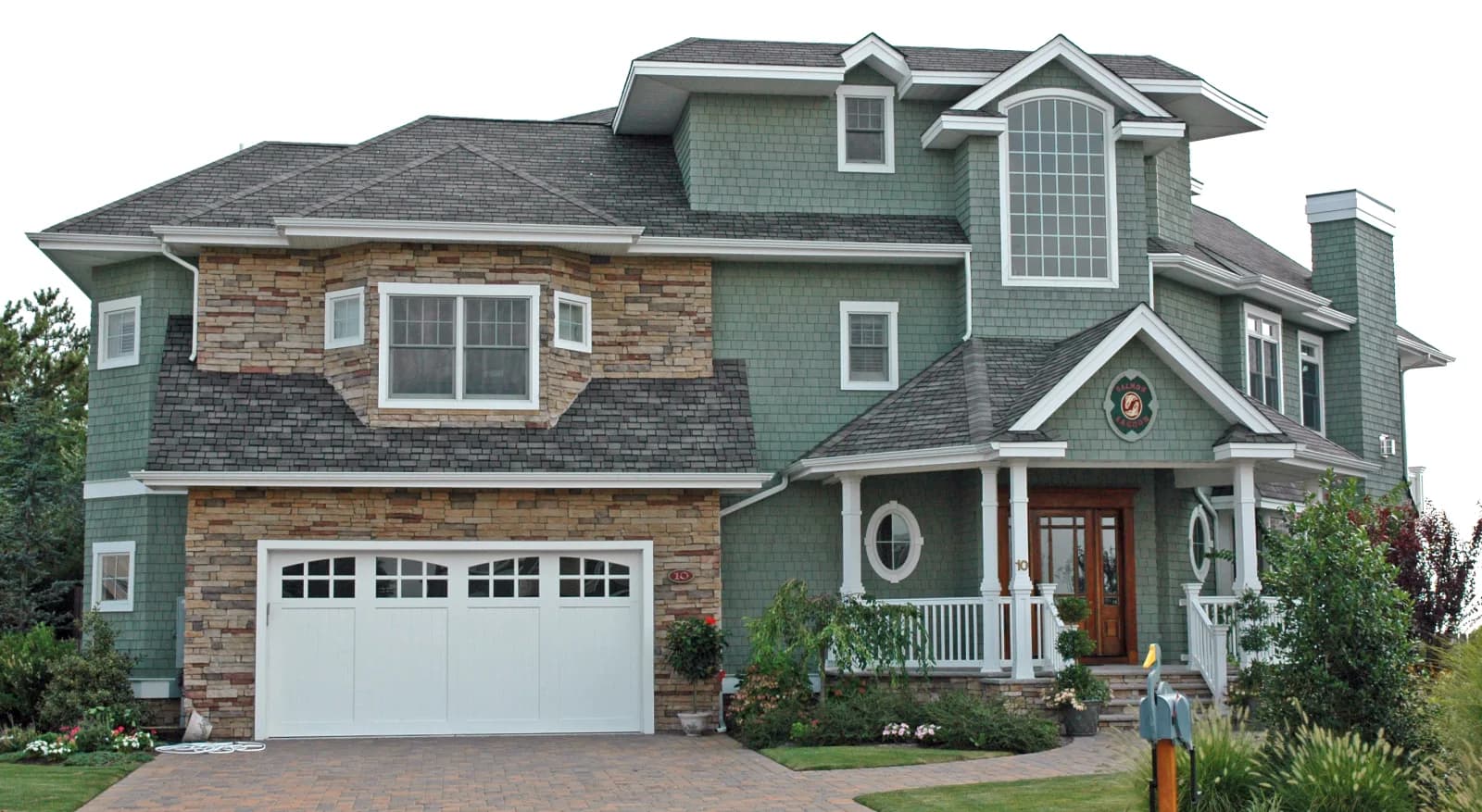
South Portland roofs take coastal wind, heavy snow and freeze-and-thaw cycles that wear shingles along eaves and ridges. The city's roof shapes follow its housing: steep gables and dormers on older homes in Ferry Village and Knightville, low gables on ranches, broken roof lines on split-levels, and more complex roofs on newer houses. Many post-war roofs are on their second or third covering, and some still sit over board sheathing.
Tear-off to the deck is usually the sound approach, because it exposes rotted or delaminated sheathing and allows a fresh ice barrier, underlayment and flashing. Ice dams form where attic heat escapes, often on older capes and on low-slope ranch roofs, so a new roof is also the time to look at ventilation. Homes near the water need attention to wind: sealed starter strips, full nailing and secure edges at eaves and rakes. For a house built in 1940 or earlier, check whether the exterior permit falls under the city's delay of up to 90 days before setting a start date. After inspecting the roof, an owner of Cardinal writes a fixed-price proposal for the full job.

How an Asphalt Shingle Roof System Works
- Roof deck — plywood or OSB sheathing the whole system is fastened to
- Ice-and-water shield — a self-sealing membrane at the eave, the spot most likely to see an ice dam
- Synthetic underlayment — a water-resistant layer under the shingles across the rest of the field
- Shingles — the visible, weather-facing layer, lapped to shed water down the slope
- Ridge vent — exhausts warm, moist attic air while a soffit vent below draws in fresh air
South Portland housing at a glance
South Portland has about 12,800 housing units, and the American Community Survey estimates a median year built of 1968, two decades newer than Portland across the harbor. About 25 percent of homes predate 1940 and about 45 percent predate 1960. Roughly 16 percent went up between 1960 and 1979, and close to 19 percent date from 2000 or later, a larger share of newer construction than on the peninsula. Owners occupy about 58 percent of occupied homes, and single-family detached houses make up a little over half the stock, with apartments, condominiums and two-family houses filling out the rest. Seasonal homes are rare, only about 100 units. The older waterfront villages hold the city's early wood-frame houses, while the neighborhoods farther inland are largely post-war and later.
Weather and exposure in South Portland
South Portland faces Portland Harbor and the Fore River on its north side and Casco Bay to the east, so houses in Ferry Village, Willard and the streets near Spring Point take salt air and onshore wind, while western neighborhoods near the Maine Mall are more sheltered. The city shares its weather with the Portland International Jetport, whose main runway lies inside South Portland, and the Portland area averages about 69 inches of snow a year, with some winters far lighter or heavier. Nor'easters drive rain and snow sideways against exposed walls, and repeated freeze and thaw loosens caulk, paint and shingles. Near the water, salt speeds corrosion of flashing and fasteners.
Permits and design review in South Portland
Building permits in South Portland come from Code Enforcement, part of the Department of Planning and Development, which issues permits and conducts inspections for building, electrical and plumbing work. Applications can go through the city's online portal or by email. The city enforces the Maine Uniform Building and Energy Code, based on the 2021 International Residential Code, and a permitted project must make a substantial start within 180 days. Since 2019, a building permit for exterior work on a designated historic property or any structure built in 1940 or earlier may be delayed up to 90 days. Shoreland zoning applies along the harbor and bay.
South Portland at a Glance
What the housing stock and local code enforcement mean for a siding, window, roofing or deck job here.
26,498
Population (ACS estimate)
Median year built: 1968
A mix of eras — original materials on some houses, postwar replacements on others.
State Building & Energy Code (MUBEC)
Enforced — population over 4,000
EPA Lead-Safe Rule (pre-1978 homes)
Applies to at least 45% of homes here
Shoreland Zoning
Applies near the water
Permits
Code Enforcement Office, City of South Portland
Codes & Permits for Roof Replacement in South Portland
In South Portland, exterior-work permits come from the Code Enforcement Office, City of South Portland (829 Sawyer Street, South Portland, ME 04106, 207-767-7603). With 26,498 residents, over 4,000, South Portland is required to enforce the Maine Uniform Building and Energy Code (MUBEC).
- Maine's adopted 2021 IRC (R908.3) limits reroofing to one existing layer before a full tear-off is required: 'Not more than one layer of existing roof covering shall be re-covered without removal of all existing layers.' up.codes
- The ice-barrier requirement (R905.1.2) applies across common steep-slope roofing types on a reroof — asphalt shingles, metal roof shingles, mineral-surfaced roll roofing, slate/slate-type shingles, and wood shingles/shakes — in areas with a history of ice damming, which includes Maine per Table R301.2's jurisdiction-specific designation. up.codes
- Maine's Shoreland Zoning Act creates a regulated shoreland zone extending 250 feet (horizontal distance) from the normal high-water line of any great pond, river, or coastal wetland, and 75 feet from certain streams; the Act's stated purposes include protecting buildings and land from flooding/erosion and controlling water pollution, and it governs deck and other structure setbacks and the expansion of nonconforming structures within that zone (specific setback/expansion rules are set at the municipal-ordinance level under the state's model guidelines). maine.gov
- By Maine law (25 M.R.S. §2373), 'the code must be enforced in a municipality that has more than 4,000 residents' (per the most recent federal census); municipalities at or below that population are not required to adopt/enforce MUBEC but may opt in locally, per the state's own program page: 'All municipalities with a population greater than 4,000 are required, by statute, to enforce the MUBEC. Municipalities with a population under 4,000 may choose to enforce the MUBEC.' mainelegislature.org
How Cardinal Exteriors Handles Roof Replacement in South Portland
- Before quoting a roof replacement job in South Portland, we check how many roofing layers are already on the house — code allows a recover over one layer, never two.
- We install ice barrier membrane from the eave at least 24 inches inside the wall line on every South Portland roof, per Maine's adopted ice-damming rule.
- Because South Portland has coastal, lake or river frontage, Maine's Mandatory Shoreland Zoning Act may apply to work close to the water, which can affect setbacks on a rebuild.
- South Portland's population (26,498) puts it above the threshold where Maine law requires full MUBEC enforcement, so this job is inspected against that code as well as the local permit.
- We file for roof replacement permits at the Code Enforcement Office, City of South Portland before work starts, not after.
An industrial stretch of Front Street in South Portland's working waterfront area.
Street View © Google
What roof replacement involves
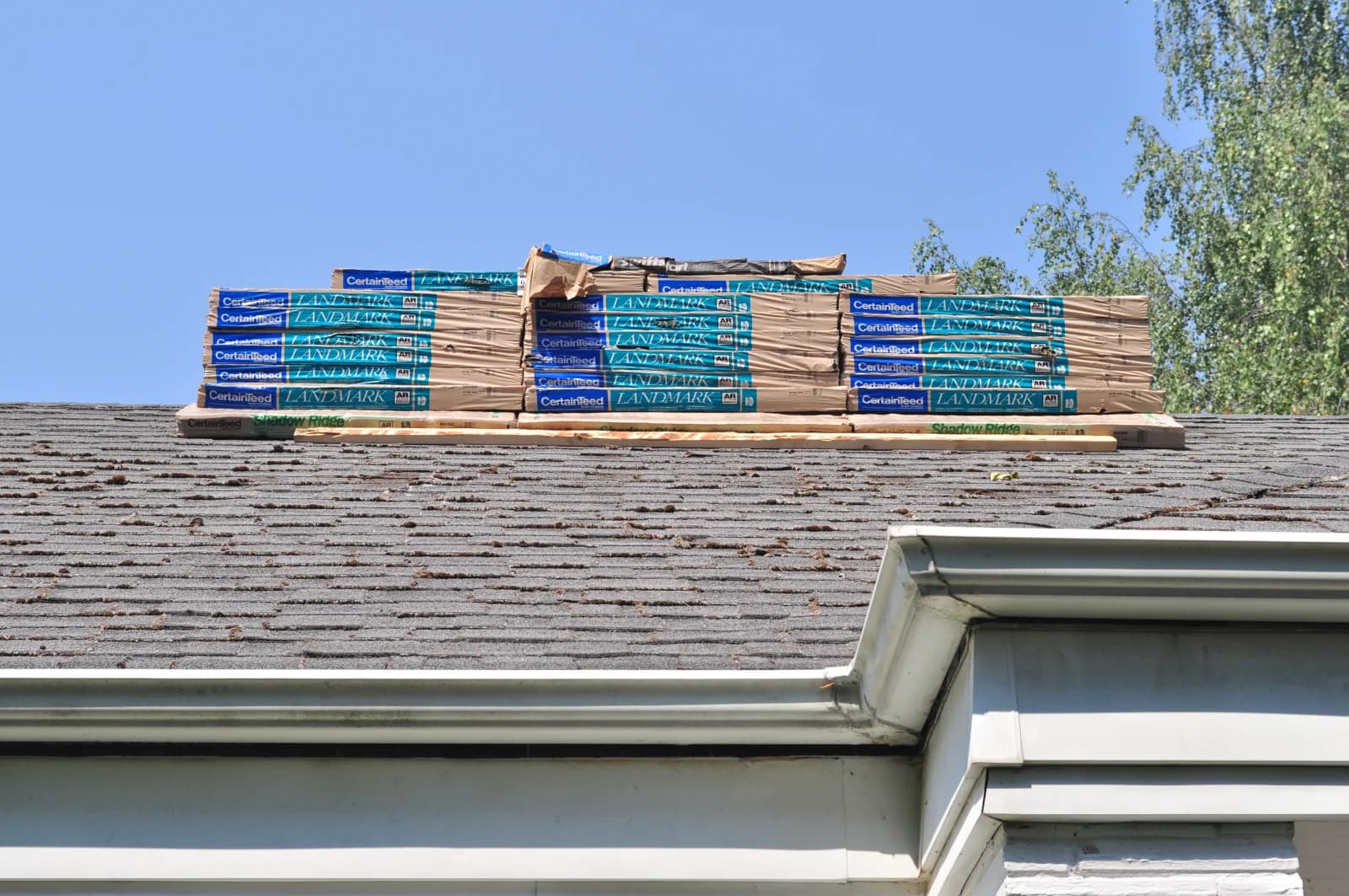
A roof replacement strips the old roofing down to the deck, repairs what is underneath, and rebuilds the whole system: underlayment, ice and water protection at the eaves and valleys, flashing at chimneys and walls, ventilation, and the new roofing itself. Maine roofs carry snow for months and see ice dams at the eaves, so the parts you never see do most of the work. The site covers architectural asphalt shingles, metal, cedar shake and flat or low-slope roofing.
- Old roofing is torn off to the deck and hauled away, with the yard and plantings protected.
- Soft or delaminated sheathing is replaced before anything new goes down.
- Ice and water shield goes at the eaves, valleys and penetrations; synthetic underlayment covers the rest.
- Drip edge, step and counter flashing, and pipe boots are installed new.
- Ridge and soffit venting are balanced, then the new roofing is installed and the site cleaned with magnets.
Signs it is time
- Curling, cracked, or missing shingles and granules in the gutters
- Ice dams along the eaves or water stains on ceilings after thaws
- Daylight or damp sheathing visible in the attic
- Sagging roof lines or spongy spots underfoot
- A roof at or past the age its material was made for
What affects the price of roof replacement
- Roof area, pitch and complexity: valleys, dormers, skylights, chimneys
- Number of existing layers to remove
- Sheathing repair found after tear-off
- Material: asphalt, metal, cedar or low-slope membrane
- Ventilation and flashing upgrades
Every job is priced from a free on-site visit. Typical ranges for the trade are on our roofing page, and the details of this service are on the roof replacement overview.
For a deeper walkthrough of materials, code details and photos, see our full Roof Replacement in Maine: Ice Dams, Ventilation, and What's Under the Shingles guide.
More in South Portland and nearby
Back to the South Portland exterior services overview, or see every town on our service areas page.
Other exterior work in South Portland
- Asphalt Shingle Roofing in South Portland
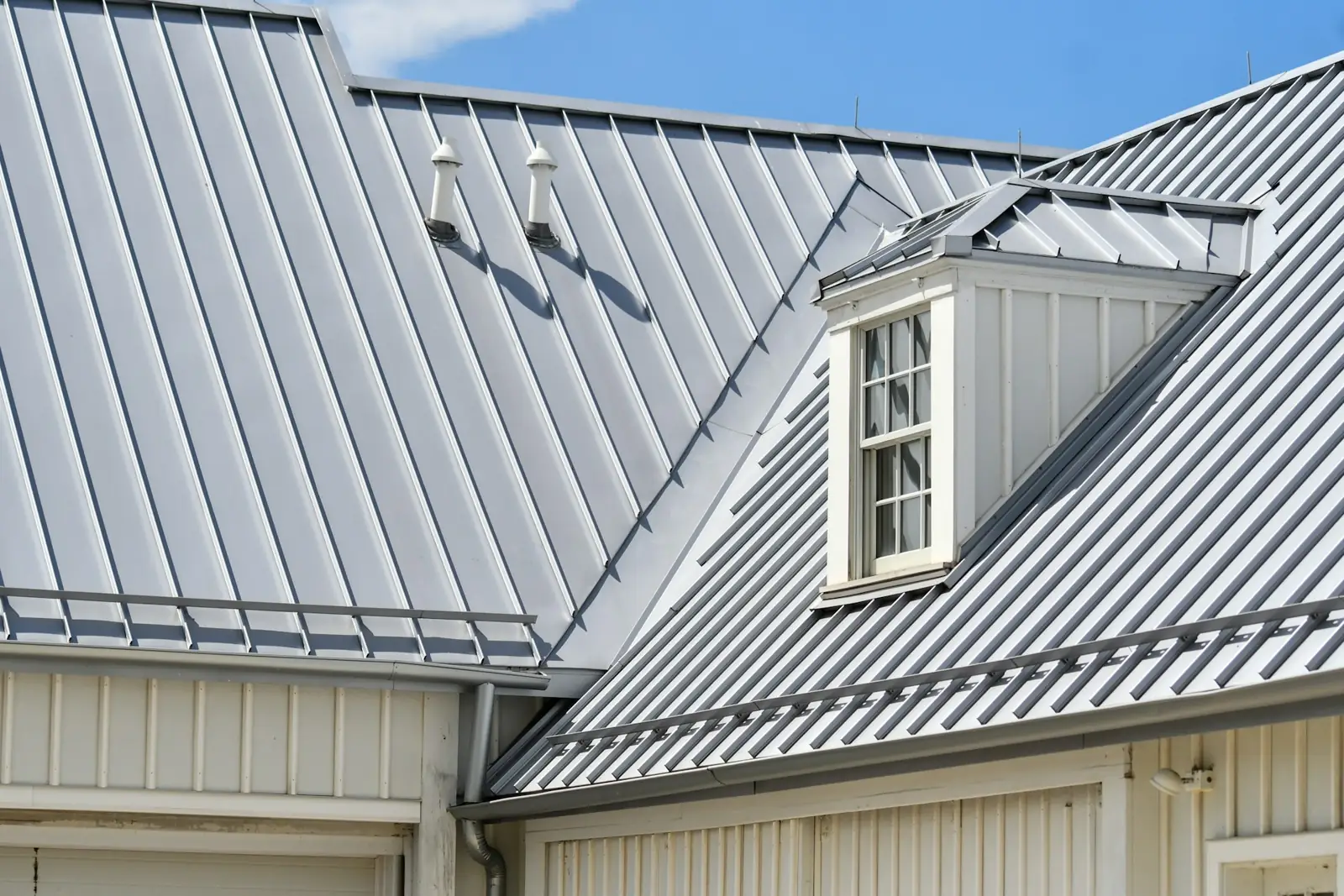
- Metal Roofing in South Portland
- Deck Building in South Portland
- Composite & PVC Decks in South Portland
- Deck Replacement in South Portland
- Siding Replacement in South Portland
- Vinyl Siding Installation in South Portland
- James Hardie Fiber Cement Siding in South Portland
- Cedar Siding & Shingles in South Portland
- Window Replacement in South Portland
- Bay & Picture Windows in South Portland
Get a free roof replacement estimate in South Portland
Tell us about the house and what you want changed. One of the owners will call to set up a visit, measure, and write a fixed-price proposal. No pressure, no obligation.
Need it today?Call Mike (207) 408-5388
or Bob at (207) 252-0759
More ways we can help
Google reviewsServices
16We provide complete siding, window, roofing and deck work, including…
Service Areas
38Our service area reaches across Greater Portland, from…