
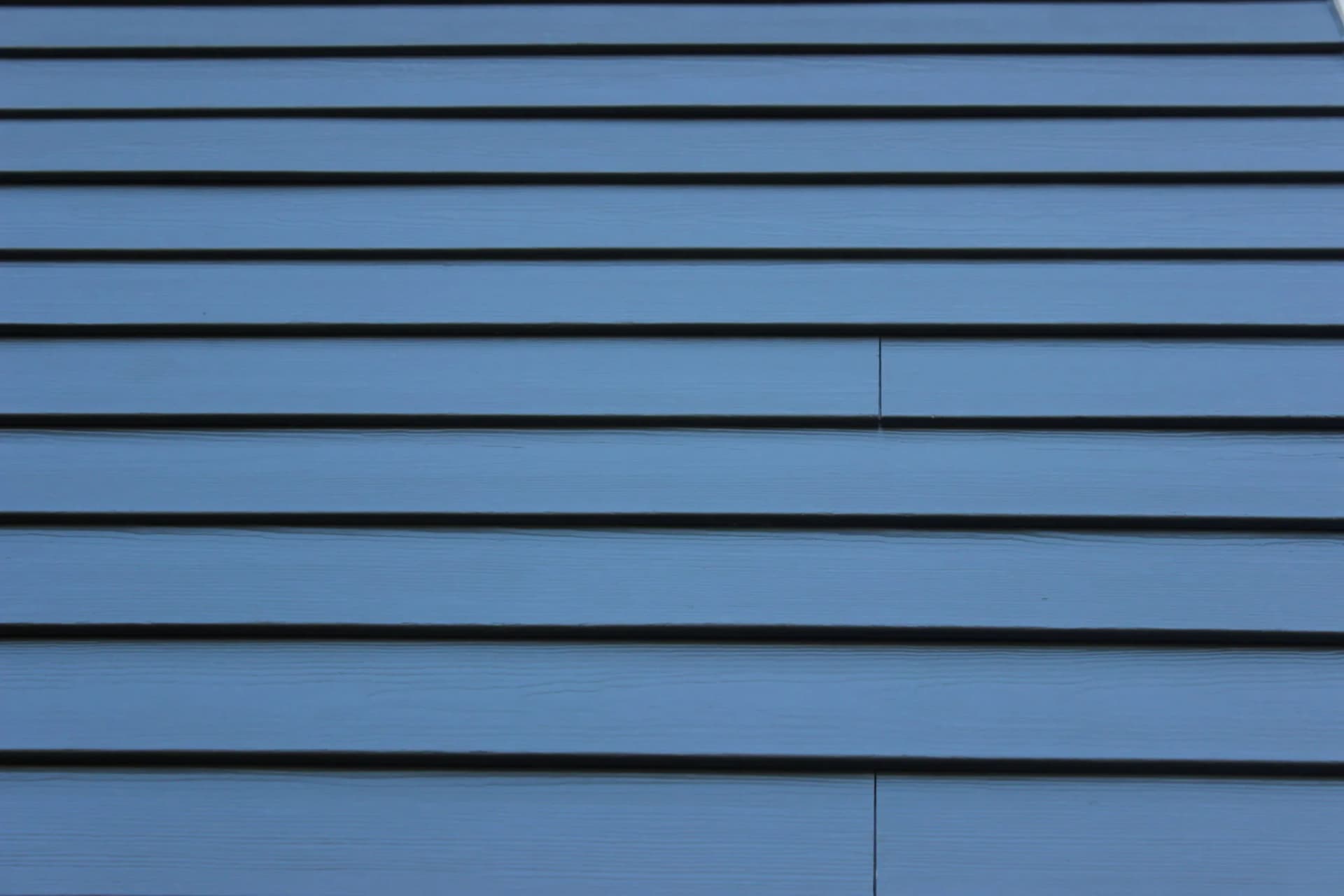
James Hardie Fiber Cement Siding in South Portland, Maine
James Hardie Fiber Cement Siding for South Portland homes from a family-owned Portland company. An owner measures on site and writes a fixed-price proposal.
- 5.0 · 8 Google reviews
- Fully licensed & insured
- Free estimates
- 20+ years combined experience
James Hardie Fiber Cement Siding for South Portland homes
James Hardie fiber cement works well on both halves of South Portland's housing. On the older homes in Ferry Village, Knightville and Meetinghouse Hill, its lap and shingle profiles look like painted wood, which keeps an early house from reading as recently re-sided. On newer homes, it offers a heavier, quieter wall than vinyl and a painted finish that holds color for years.
Near the harbor and bay, fiber cement resists salt air and does not rot, so it holds up where wood clapboard needs constant scraping and painting. It is also noncombustible, which matters in the close-set older neighborhoods and on two-family houses. The material handles freeze and thaw without the splitting and cupping that wood shows after a few hard winters, but it depends on good detailing: flashing at butt joints, window heads and roof lines, clearance above roofs and grade, and fasteners suited to a coastal site. It is heavier than vinyl and has to be cut with dust control, which is part of why installation quality decides how long it lasts. For a house being re-sided once in a generation, those details are worth getting right.
South Portland housing at a glance
South Portland has about 12,800 housing units, and the American Community Survey estimates a median year built of 1968, two decades newer than Portland across the harbor. About 25 percent of homes predate 1940 and about 45 percent predate 1960. Roughly 16 percent went up between 1960 and 1979, and close to 19 percent date from 2000 or later, a larger share of newer construction than on the peninsula. Owners occupy about 58 percent of occupied homes, and single-family detached houses make up a little over half the stock, with apartments, condominiums and two-family houses filling out the rest. Seasonal homes are rare, only about 100 units. The older waterfront villages hold the city's early wood-frame houses, while the neighborhoods farther inland are largely post-war and later.
Weather and exposure in South Portland
South Portland faces Portland Harbor and the Fore River on its north side and Casco Bay to the east, so houses in Ferry Village, Willard and the streets near Spring Point take salt air and onshore wind, while western neighborhoods near the Maine Mall are more sheltered. The city shares its weather with the Portland International Jetport, whose main runway lies inside South Portland, and the Portland area averages about 69 inches of snow a year, with some winters far lighter or heavier. Nor'easters drive rain and snow sideways against exposed walls, and repeated freeze and thaw loosens caulk, paint and shingles. Near the water, salt speeds corrosion of flashing and fasteners.
Permits and design review in South Portland
Building permits in South Portland come from Code Enforcement, part of the Department of Planning and Development, which issues permits and conducts inspections for building, electrical and plumbing work. Applications can go through the city's online portal or by email. The city enforces the Maine Uniform Building and Energy Code, based on the 2021 International Residential Code, and a permitted project must make a substantial start within 180 days. Since 2019, a building permit for exterior work on a designated historic property or any structure built in 1940 or earlier may be delayed up to 90 days. Shoreland zoning applies along the harbor and bay.
What James Hardie fiber cement siding involves
Fiber cement is a mix of cement, sand and cellulose fiber pressed into planks, shingles and panels. It does not rot, insects do not eat it, it will not burn, and factory-applied finishes hold color far longer than site-painted wood. It is heavier and more exacting to install than vinyl, which is exactly why installation quality shows. The Back Cove home on this site was re-sided with a complete James Hardie package of wood-grain plank.
- Walls are stripped, repaired and wrapped, with flashing at every opening and roof-to-wall joint.
- Boards are cut with dust-controlled tools and fastened to the manufacturer's nailing schedule.
- Required clearances are held above roofs, decks and grade so the ends never sit in water or snow.
- Butt joints get flashing behind them, and cut ends are sealed or primed as the manufacturer specifies.
- Trim, caulk lines and touch-up are finished so the pre-finished color stays uniform.
Signs it is time
- You want the look of painted clapboard without the paint cycle
- Wood siding keeps rotting at the bottom courses and around trim
- The house sits in wind and salt exposure that punishes other materials
- You want a non-combustible exterior
What affects the price of James Hardie fiber cement siding
- Product line and profile: lap plank, shingle, panel or board-and-batten
- Pre-finished color versus site painting
- Trim package and detailing
- Tear-off, sheathing repair and house height
- Number of windows, doors and corners to flash and trim
Every job is priced from a free on-site visit. Typical ranges for the trade are on our siding page, and the details of this service are on the James Hardie fiber cement siding overview.
More in South Portland and nearby
Back to the South Portland exterior services overview, or see every town on our Cumberland County service areas page.
Other exterior work in South Portland
- Cedar Siding & Shingles in South Portland
- Window Replacement in South Portland
- Bay & Picture Windows in South Portland
- Roof Replacement in South Portland
- Asphalt Shingle Roofing in South Portland
- Metal Roofing in South Portland
- Deck Building in South Portland
- Composite & PVC Decks in South Portland
- Deck Replacement in South Portland
- Siding Replacement in South Portland
- Vinyl Siding Installation in South Portland
Fiber Cement Siding in nearby towns
Get a free James Hardie fiber cement siding estimate in South Portland
Tell us about the house and what you want changed. One of the owners will call to set up a visit, measure, and write a fixed-price proposal. No pressure, no obligation.
Need it today?Call Mike (207) 408-5388
or Bob at (207) 252-0759