

Asphalt Shingle Roofing in Raymond, Maine
Asphalt Shingle Roofing for Raymond homes from a family-owned Portland company. An owner measures on site and writes a fixed-price proposal.
- Google reviews
- Fully licensed & insured
- Free estimates
- 20+ years combined experience
Asphalt Shingle Roofing for Raymond homes
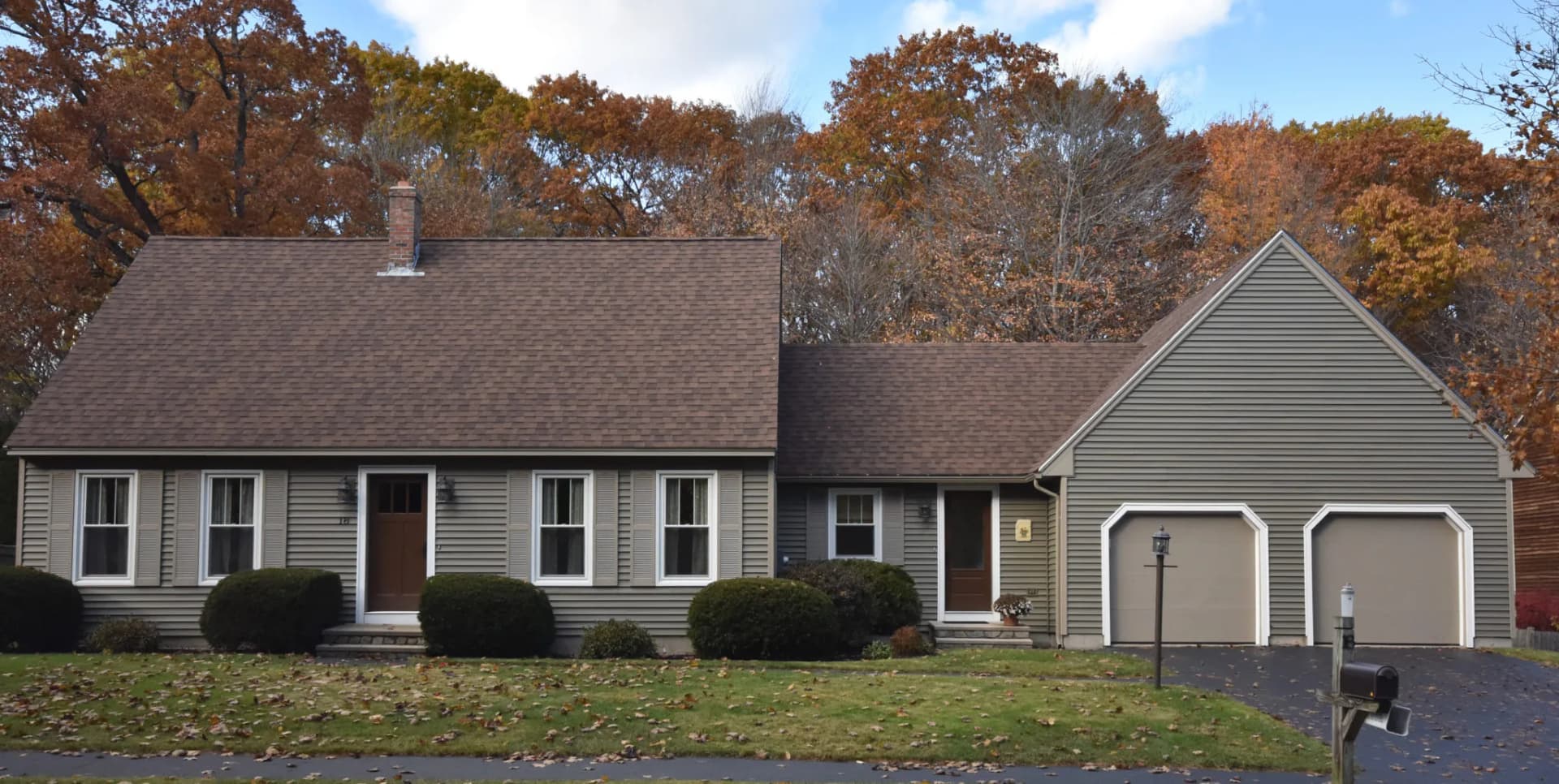
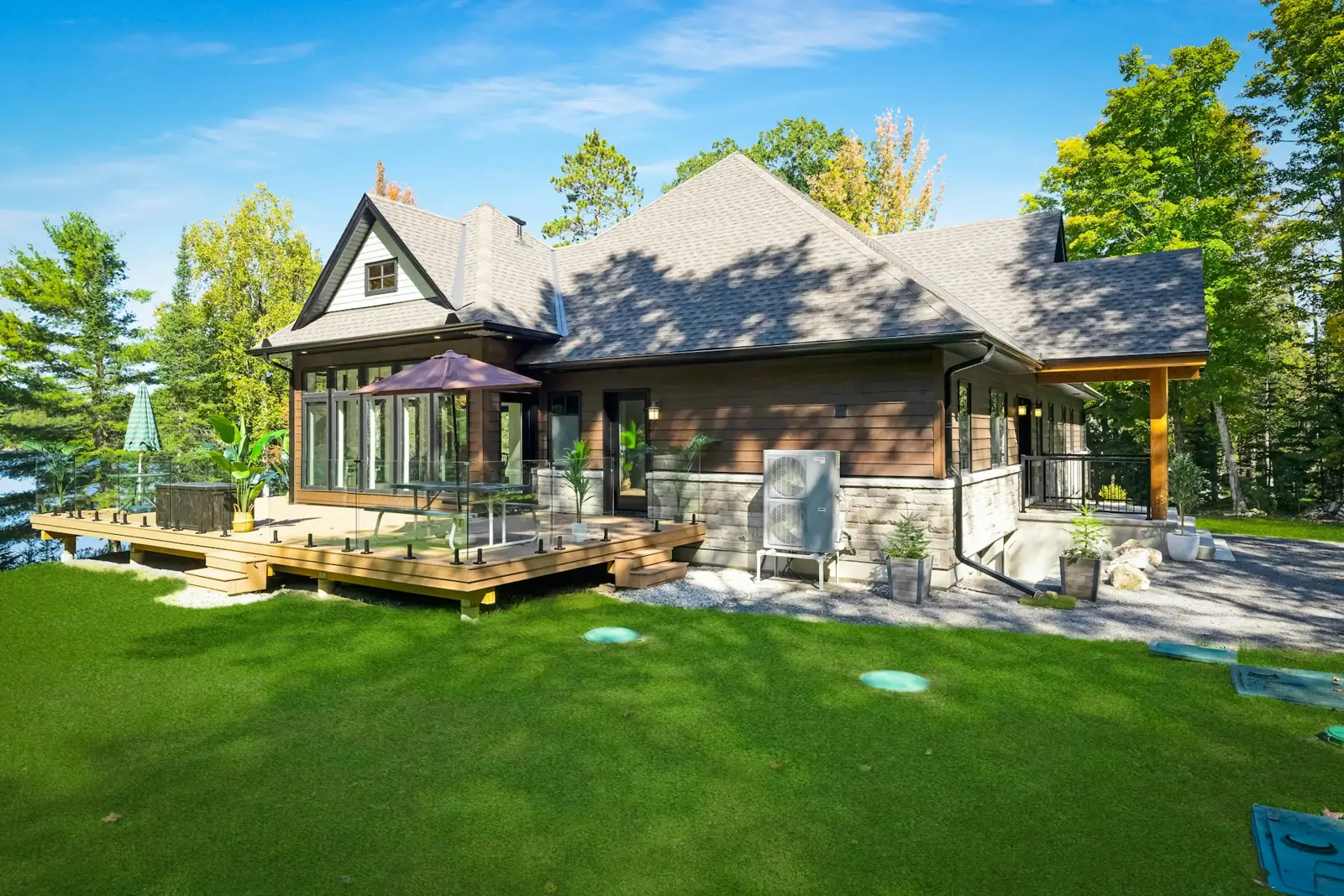
Architectural asphalt shingles are the everyday roof across Raymond's post-1960 homes, from the ranches and capes built through the 1970s to the roughly 22 percent of houses put up since 2000. They are cost-effective for a full re-roof on a simple gable, they come in colors that suit both a year-round colonial and a lake cottage, and a laminated shingle holds up better than the old three-tab roofs many homes still have. For a subdivision home off Route 302, asphalt is usually the budget-sensible choice.
Details decide how long it lasts here. With heavy snow and a long freeze-thaw season, an ice barrier membrane at the eaves, extending into the heated part of the house, is the first defense against ice dams, and the 2021 IRC that Raymond enforces calls for one where ice damming is a history. Houses on the Sebago shoreline see stronger gusts off the open water, so shingles with a high wind rating and the manufacturer's full nailing pattern are worth specifying. Drip edge, step flashing at walls and valley metal round out a roof that should not need attention for many years.
How an Asphalt Shingle Roof System Works
- Roof deck — plywood or OSB sheathing the whole system is fastened to
- Ice-and-water shield — a self-sealing membrane at the eave, the spot most likely to see an ice dam
- Synthetic underlayment — a water-resistant layer under the shingles across the rest of the field
- Shingles — the visible, weather-facing layer, lapped to shed water down the slope
- Ridge vent — exhausts warm, moist attic air while a soffit vent below draws in fresh air

Raymond housing at a glance
Census estimates put Raymond at about 3,050 housing units with a median year built of 1976. About 15 percent predate 1940 and roughly 31 percent predate 1960, while another 23 percent went up between 1960 and 1979 and about 22 percent date from 2000 or later. Around 94 percent are single-family detached houses, and roughly 90 percent of occupied homes are owner-occupied. The standout figure is seasonal use: about 1,010 units are held for seasonal or recreational occupancy, and the town comprehensive plan puts seasonal homes at over a third of the stock. That plan also notes the summer camps, cottages and lodges built along the lakes in the early and mid 20th century, older farmhouses at rural crossroads, and a wave of summer residents who began making Raymond their permanent home in the 1950s, which is why so many camps have been winterized and enlarged.
Weather and exposure in Raymond
Raymond is inland lake country, not coast, so salt spray is not the issue. Snow and cold are. The National Weather Service forecast office sits in neighboring Gray, and its 1991-2020 normals show about 84 inches of snow a year, well above the roughly 69 inches recorded at the Portland Jetport. Much of that arrives from December through March, with repeated thaws and refreezes in between. Houses on the shore of Sebago Lake take the wind that builds across miles of open water, and because Sebago does not reliably freeze over, that open water stays exposed deep into winter. Wooded lots elsewhere in town stay damp and shaded, so north walls, roof valleys and deck boards are slow to dry after rain or melt.
Permits and design review in Raymond
Permits run through the Raymond Code Enforcement Office at the town office on Webbs Mills Road, which uses an online permitting system and books meetings by appointment. The town building code page lists building a deck as work that needs a permit, and says residing, reroofing and same-size window replacement do not, as long as no structure or required egress is changed. Allow about 48 hours for processing. Raymond enforces the Maine Uniform Building and Energy Code, including the 2021 IRC. Work within 100 feet of the high water mark should start with a call to the Code Enforcement Officer, since shoreland rules, and sometimes a state DEP permit, apply.
Raymond at a Glance
What the housing stock and local code enforcement mean for a siding, window, roofing or deck job here.
4,605
Population (ACS estimate)
Median year built: 1976
A mix of eras — original materials on some houses, postwar replacements on others.
State Building & Energy Code (MUBEC)
Enforced — population over 4,000
EPA Lead-Safe Rule (pre-1978 homes)
Applies to at least 31% of homes here
Shoreland Zoning
Applies near the water
Permits
Town of Raymond Code Enforcement Office
Codes & Permits for Asphalt Shingle Roofing in Raymond
In Raymond, exterior-work permits come from the Town of Raymond Code Enforcement Office. With 4,605 residents, over 4,000, Raymond is required to enforce the Maine Uniform Building and Energy Code (MUBEC).
- Maine's adopted 2021 IRC ice-barrier rule (R905.1.2) specifically names asphalt shingles among the roof coverings requiring an ice barrier extending from the lowest roof edge to at least 24 inches inside the exterior wall line (36 inches along the slope on roofs 8:12 or steeper), using two cemented underlayment layers or a self-adhering polymer-modified bitumen sheet. up.codes
- Reroofing over existing asphalt shingles in Maine is capped at one existing layer before a full tear-off is required, per R908.3. up.codes
- Maine's Shoreland Zoning Act creates a regulated shoreland zone extending 250 feet (horizontal distance) from the normal high-water line of any great pond, river, or coastal wetland, and 75 feet from certain streams; the Act's stated purposes include protecting buildings and land from flooding/erosion and controlling water pollution, and it governs deck and other structure setbacks and the expansion of nonconforming structures within that zone (specific setback/expansion rules are set at the municipal-ordinance level under the state's model guidelines). maine.gov
- By Maine law (25 M.R.S. §2373), 'the code must be enforced in a municipality that has more than 4,000 residents' (per the most recent federal census); municipalities at or below that population are not required to adopt/enforce MUBEC but may opt in locally, per the state's own program page: 'All municipalities with a population greater than 4,000 are required, by statute, to enforce the MUBEC. Municipalities with a population under 4,000 may choose to enforce the MUBEC.' mainelegislature.org
How Cardinal Exteriors Handles Asphalt Shingle Roofing in Raymond
- Maine's code allows at most one existing layer before a full tear-off is required, so on an architectural asphalt shingle roofing job in Raymond we check what's already up there before writing the proposal.
- We install ice barrier membrane from the eave at least 24 inches inside the wall line on every Raymond roof, per Maine's adopted ice-damming rule.
- Because Raymond has coastal, lake or river frontage, Maine's Mandatory Shoreland Zoning Act may apply to work close to the water, which can affect setbacks on a rebuild.
- With 4,605 residents, Raymond is over Maine's 4,000-resident line, so the town enforces the statewide Uniform Building and Energy Code (MUBEC) on top of its own permit process.
- We file for architectural asphalt shingle roofing permits at the Town of Raymond Code Enforcement Office before work starts, not after.
A wooded stretch of Raymond Cape Road on the Raymond Cape peninsula in Raymond, on Sebago Lake.
Street View © Google
What architectural asphalt shingle roofing involves
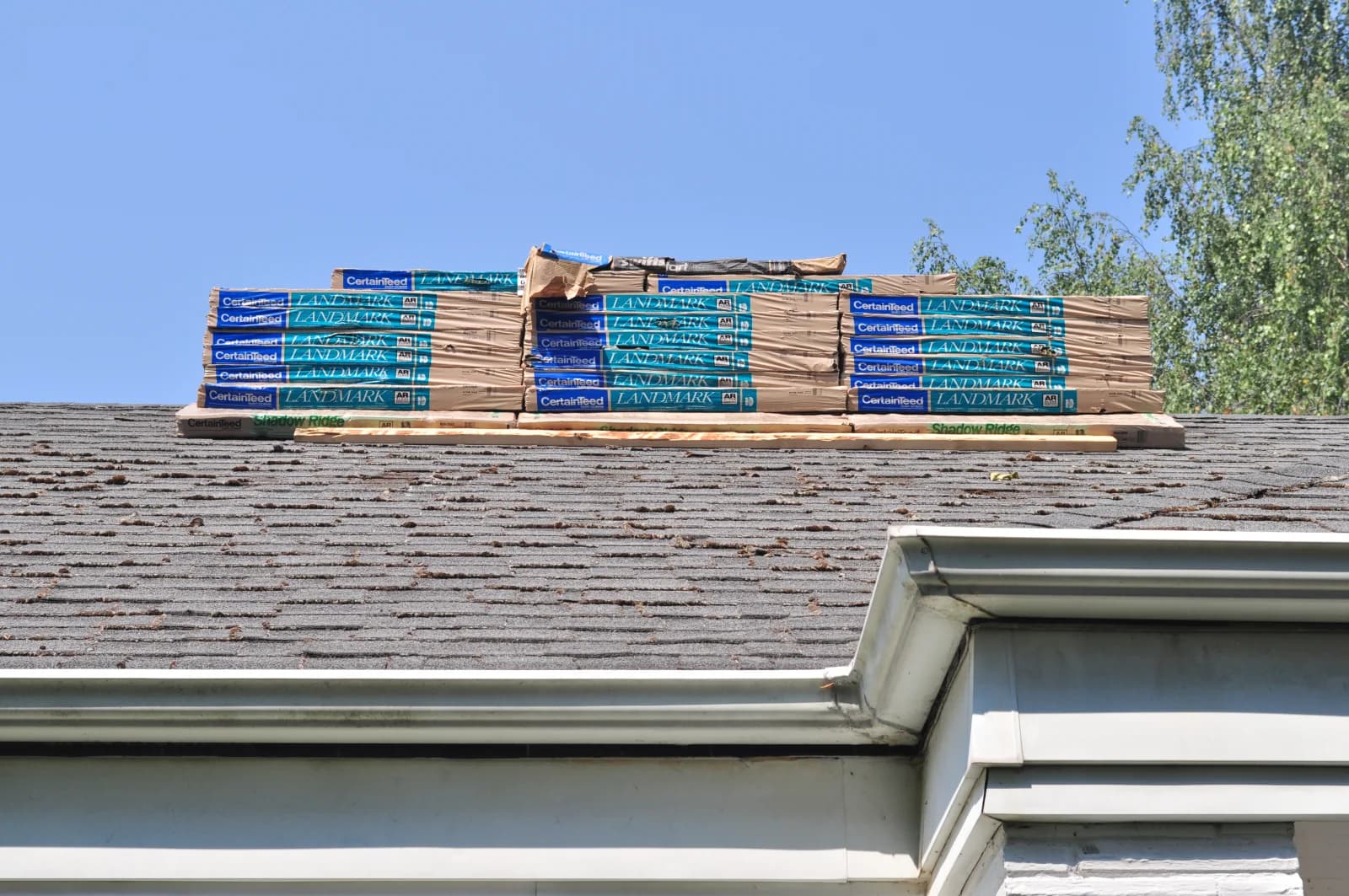
Architectural (dimensional) asphalt shingles are the most common roof in Maine for good reason: they are affordable, they come in many colors and textures, and a good system handles snow, ice and wind well. Several projects on this site used CertainTeed Landmark shingles. What separates a long-lived shingle roof from a short-lived one is mostly underneath: ice and water protection at the eaves, correct nailing, and balanced ventilation.
- Tear-off to the deck and sheathing repair where needed.
- Ice and water shield at eaves, valleys and around penetrations; underlayment over the rest.
- Starter strip and drip edge at the edges, then shingles nailed in the manufacturer's nail zone.
- Step flashing at walls, new pipe boots, and chimney flashing as needed.
- Hip and ridge caps over a ridge vent, balanced with intake at the soffits.
Signs it is time
- Granules washing into the gutters and bald patches on the shingles
- Shingles that curl, cup, or lift in wind
- Leaks around chimneys, vents or skylights
- Moss or dark streaking on shaded slopes
What affects the price of architectural asphalt shingle roofing
- Roof area and pitch
- Shingle line and color
- Layers to tear off and deck repairs
- Flashing and ventilation work
- Number of valleys, dormers and penetrations
Every job is priced from a free on-site visit. Typical ranges for the trade are on our roofing page, and the details of this service are on the architectural asphalt shingle roofing overview.
For a deeper walkthrough of materials, code details and photos, see our full Asphalt Shingle Roofing: Underlayment, Shingle Types, and What Voids a Warranty guide.
More in Raymond and nearby
Back to the Raymond exterior services overview, or see every town on our service areas page.
Other exterior work in Raymond
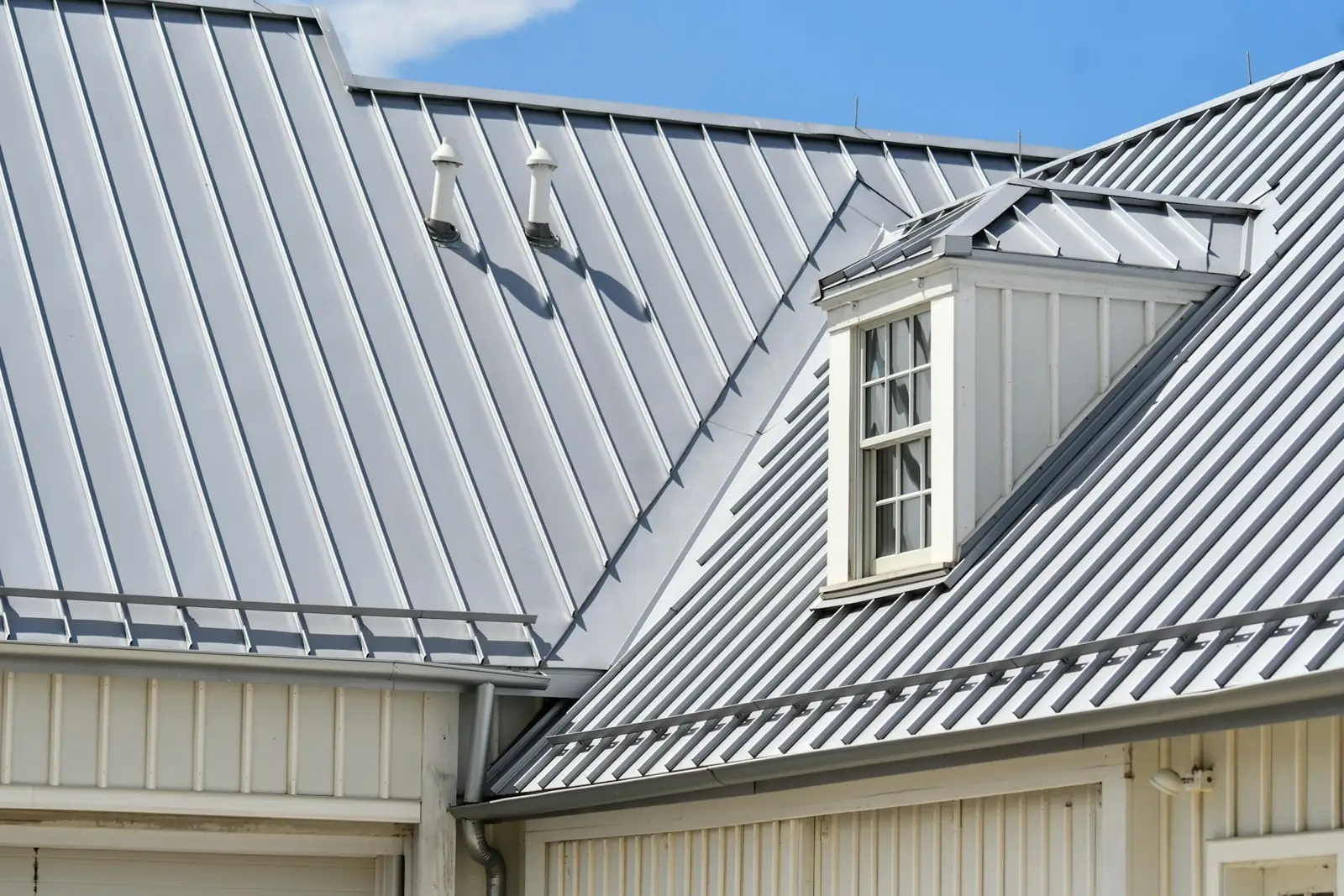
- Metal Roofing in Raymond
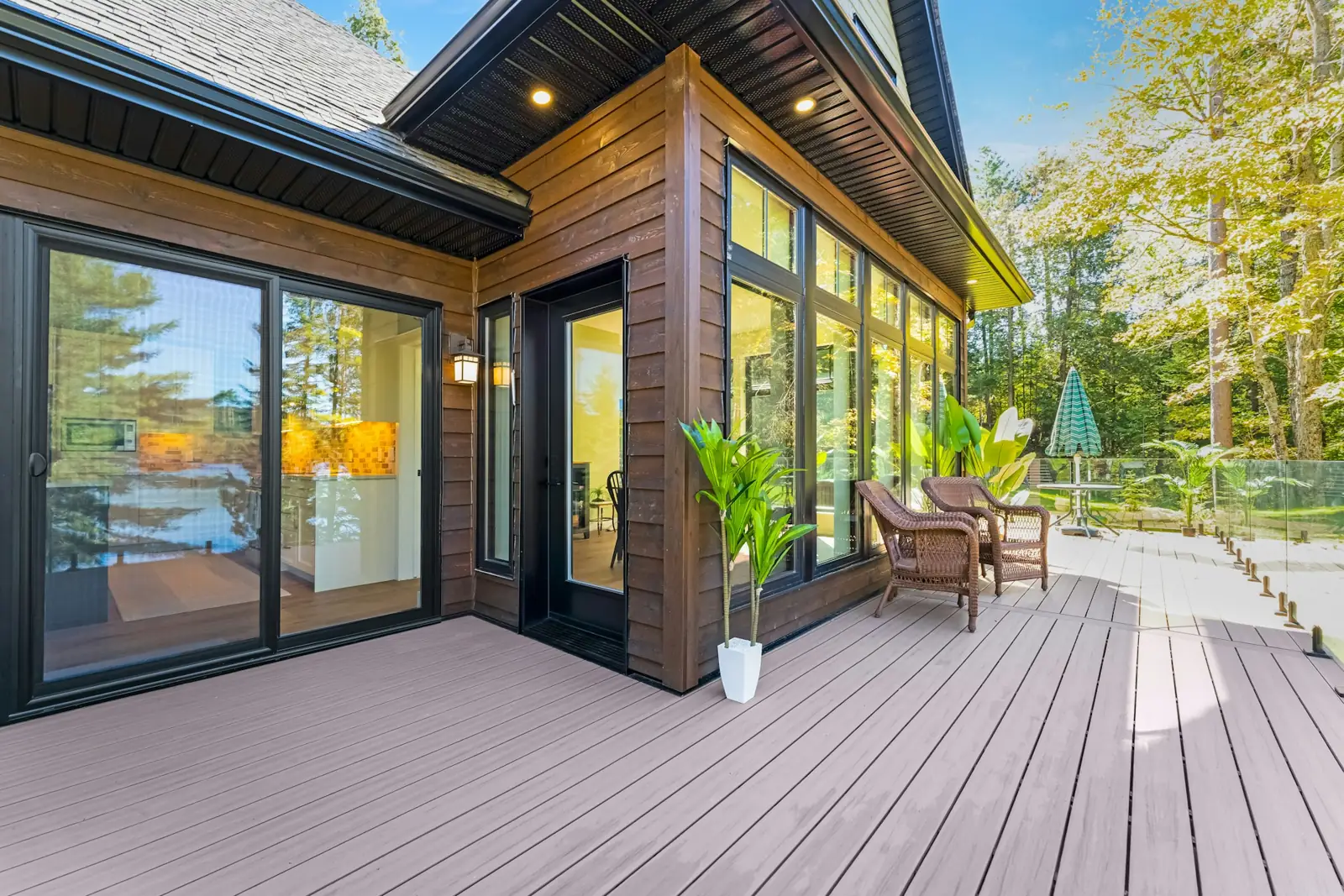
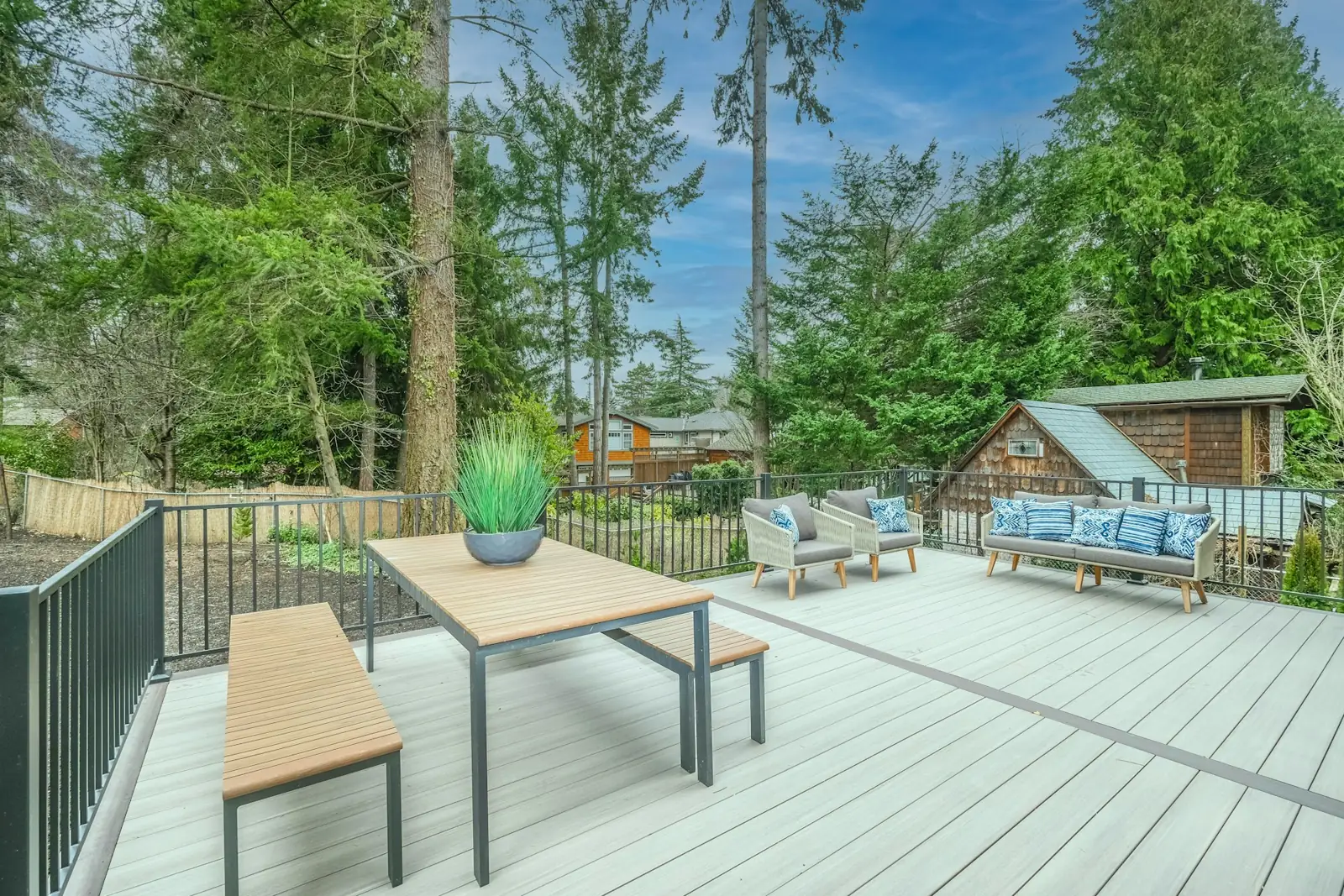
- Deck Building in Raymond
- Composite & PVC Decks in Raymond
- Deck Replacement in Raymond
- Siding Replacement in Raymond
- Vinyl Siding Installation in Raymond
- James Hardie Fiber Cement Siding in Raymond
- Cedar Siding & Shingles in Raymond
- Window Replacement in Raymond
- Bay & Picture Windows in Raymond
- Roof Replacement in Raymond
Get a free architectural asphalt shingle roofing estimate in Raymond
Tell us about the house and what you want changed. One of the owners will call to set up a visit, measure, and write a fixed-price proposal. No pressure, no obligation.
Need it today?Call Mike (207) 408-5388
or Bob at (207) 252-0759
More ways we can help
Google reviewsServices
16We provide complete siding, window, roofing and deck work, including…
Service Areas
38Our service area reaches across Greater Portland, from…