
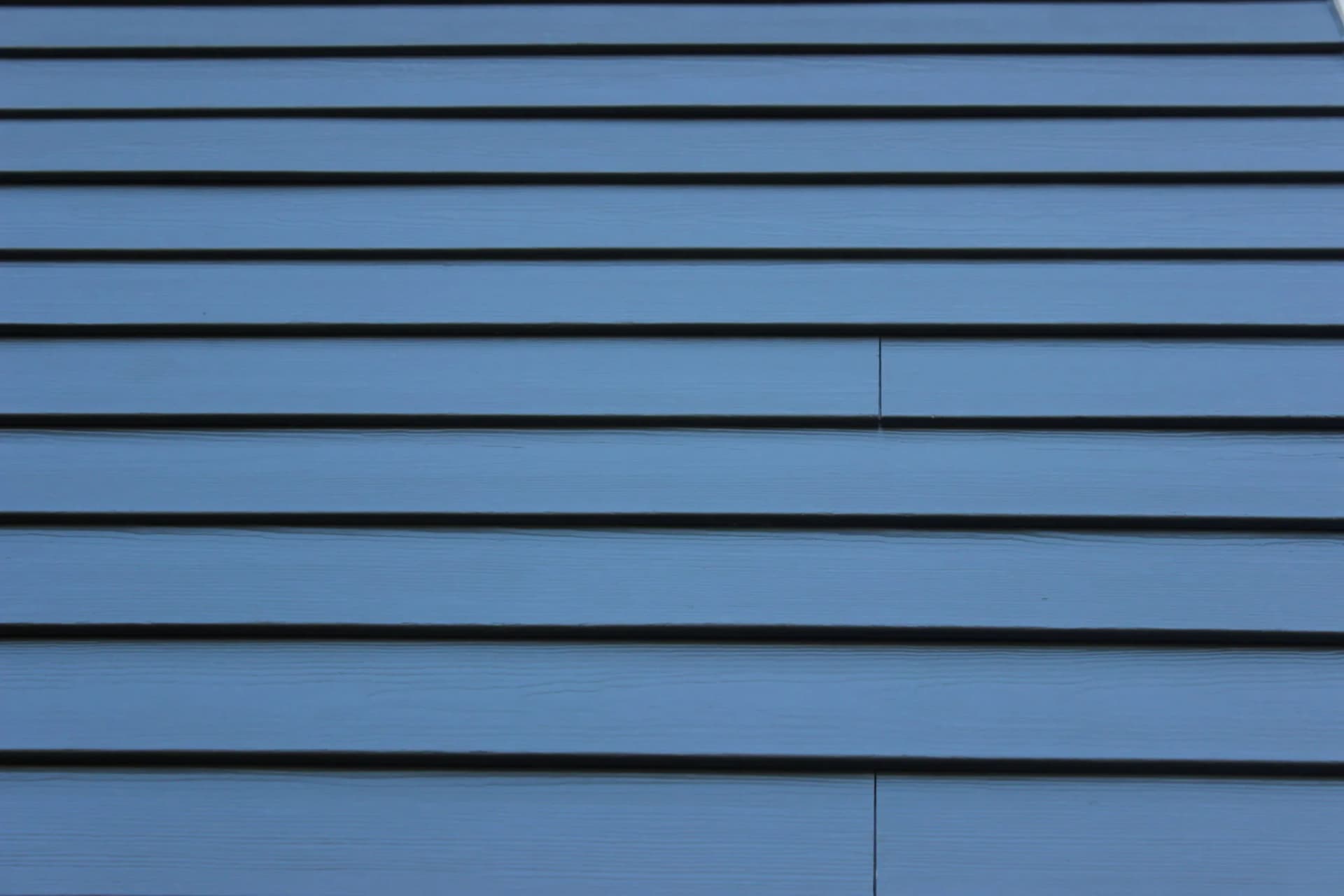
James Hardie Fiber Cement Siding in Long Island, Maine
James Hardie Fiber Cement Siding for Long Island homes from a family-owned Portland company. An owner measures on site and writes a fixed-price proposal.
- 5.0 · 8 Google reviews
- Fully licensed & insured
- Free estimates
- 20+ years combined experience
James Hardie Fiber Cement Siding for Long Island homes
James Hardie fiber cement is a good match for Long Island's exposure. The boards do not rot, swell or attract insects, they hold paint through repeated freeze-thaw cycles, and the factory finish lasts longer in salt air and sun than a coat of site-applied paint. Fiber cement is also noncombustible, which carries weight on an island where a 1914 fire swept through the Granite Spring Hotel and the business district around Ponce's wharf, and where any mainland help arrives by boat.
Appearance is the other reason to choose it. Narrow-exposure lap boards look like the painted clapboard on the island's older houses, and shingle-style panels suit the cottages from the rusticator years. The trade-off is weight and handling. Fiber cement is heavy, and Casco Bay Lines' car ferry limits vehicles to 5,500 pounds, which rules out most loaded contractor trucks, so a full siding order generally goes over on the private barge. Near salt water, installation should use stainless or hot-dipped fasteners and respect the manufacturer's clearances above roofs, decks and grade.
Long Island housing at a glance
Census estimates count about 423 housing units, and the median year built is 1938. About 66 percent of units predate 1940, and about 68 percent predate 1960. Almost nothing was built between 1960 and 1979, only around 3 percent, and about 15 percent went up in 2000 or later. Roughly 95 percent of units are single-family detached houses, and about 88 percent of year-round households own their home. Seasonal use dominates: about 307 units, nearly three-quarters of the stock, are held for seasonal or occasional use. The town's comprehensive plan counts about 50 homes converted from year-round to summer-only use over a recent 25-year stretch and describes many summer houses as unheated or poorly heated. Many trace back to the summer-cottage boom of the 1890s and 1900s.
Weather and exposure in Long Island
Long Island lies about six miles out from Portland along Hussey Sound, a main passage into the inner bay. Wind reaches it from every direction, and the town's comprehensive plan notes that the first settlers built on the south side of the island to shelter from northerly winter winds. Portland International Jetport, the nearest long-term station, averages about 69 inches of snow a season under the 1991 to 2020 normals. A January 2022 winter storm badly damaged the wave break, floats and pilings at Mariner's Wharf, and the plan lists sea level rise, stronger storms and upkeep of the island's bluffs among the town's concerns.
Permits and design review in Long Island
The Code Enforcement Officer meets by appointment through the Town Clerk. The town's building permit application covers new structures, additions, alterations, replacements and repairs, and it must include a scaled site plan and proof that a construction debris container has been delivered to be barged off the island. Every job gets at least three inspections: foundation, framing and final. Height is capped at 35 feet, and several zones limit structures to 15 percent of the lot. In the shoreland zone, new structures sit at least 75 feet from the upland edge of a coastal wetland, and the permit form warns that shoreland work may also need a Maine DEP permit.
What James Hardie fiber cement siding involves
Fiber cement is a mix of cement, sand and cellulose fiber pressed into planks, shingles and panels. It does not rot, insects do not eat it, it will not burn, and factory-applied finishes hold color far longer than site-painted wood. It is heavier and more exacting to install than vinyl, which is exactly why installation quality shows. The Back Cove home on this site was re-sided with a complete James Hardie package of wood-grain plank.
- Walls are stripped, repaired and wrapped, with flashing at every opening and roof-to-wall joint.
- Boards are cut with dust-controlled tools and fastened to the manufacturer's nailing schedule.
- Required clearances are held above roofs, decks and grade so the ends never sit in water or snow.
- Butt joints get flashing behind them, and cut ends are sealed or primed as the manufacturer specifies.
- Trim, caulk lines and touch-up are finished so the pre-finished color stays uniform.
Signs it is time
- You want the look of painted clapboard without the paint cycle
- Wood siding keeps rotting at the bottom courses and around trim
- The house sits in wind and salt exposure that punishes other materials
- You want a non-combustible exterior
What affects the price of James Hardie fiber cement siding
- Product line and profile: lap plank, shingle, panel or board-and-batten
- Pre-finished color versus site painting
- Trim package and detailing
- Tear-off, sheathing repair and house height
- Number of windows, doors and corners to flash and trim
Every job is priced from a free on-site visit. Typical ranges for the trade are on our siding page, and the details of this service are on the James Hardie fiber cement siding overview.
More in Long Island and nearby
Back to the Long Island exterior services overview, or see every town on our Cumberland County service areas page.
Other exterior work in Long Island
- Cedar Siding & Shingles in Long Island
- Window Replacement in Long Island
- Bay & Picture Windows in Long Island
- Roof Replacement in Long Island
- Asphalt Shingle Roofing in Long Island
- Metal Roofing in Long Island
- Deck Building in Long Island
- Composite & PVC Decks in Long Island
- Deck Replacement in Long Island
- Siding Replacement in Long Island
- Vinyl Siding Installation in Long Island
Fiber Cement Siding in nearby towns
Get a free James Hardie fiber cement siding estimate in Long Island
Tell us about the house and what you want changed. One of the owners will call to set up a visit, measure, and write a fixed-price proposal. No pressure, no obligation.
Need it today?Call Mike (207) 408-5388
or Bob at (207) 252-0759