
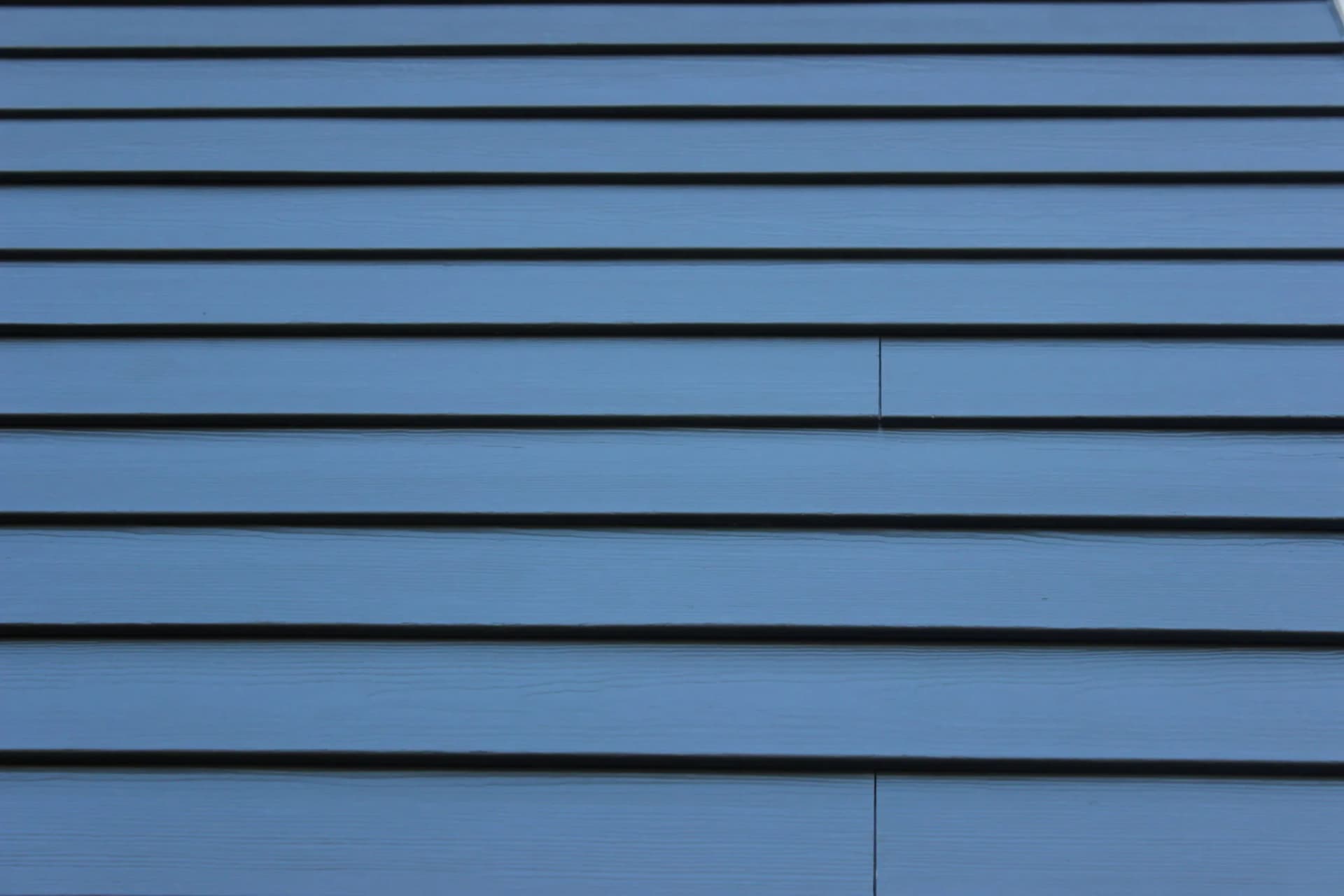
James Hardie Fiber Cement Siding in Brunswick, Maine
James Hardie Fiber Cement Siding for Brunswick homes from a family-owned Portland company. An owner measures on site and writes a fixed-price proposal.
- 5.0 · 8 Google reviews
- Fully licensed & insured
- Free estimates
- 20+ years combined experience
James Hardie Fiber Cement Siding for Brunswick homes
James Hardie fiber cement is the closest match to painted wood clapboard for Brunswick owners who want the historic look without scraping and repainting every few years. Its lap profiles and smooth or woodgrain faces read correctly on the Federal, Greek Revival and Colonial Revival houses around Bowdoin and the downtown, and the boards come factory-primed or prefinished. Because the material does not rot or feed insects, it holds up well on the damp lower courses and shaded north walls where wood clapboard usually fails first.
The freeze-thaw cycling that Brunswick sees every winter is the main test for any siding, and fiber cement is made for it when it is installed with the manufacturer's clearances above roofs, decks and grade. That detail matters on older houses where soil and porches sit close to the siding. Fiber cement is also noncombustible, a real advantage on tight in-town lots where houses stand a few feet apart. Near Mere Point and Middle Bay a factory finish resists salt air better than site paint. For homes in the Village Review Overlay District, confirm with Planning and Codes staff whether the switch from wood needs a Certificate of Appropriateness.
Brunswick housing at a glance
Census estimates put Brunswick at roughly 9,500 housing units with a median year built of about 1982, so the typical house here is younger than in Portland but the range is wide. Close to one in five units dates from before 1940 and about 31 percent from before 1960, including the houses of the downtown and the Bowdoin neighborhoods. Another 16 percent or so went up between 1960 and 1979, and roughly 27 percent is from 2000 or later. About 71 percent of occupied homes are owner-occupied, and only about half of all units are single-family detached houses, which reflects the apartments, student housing and multi-unit buildings near the college and Maine Street. Seasonal homes are a small share, about 165 units. Expect clapboard Federal, Greek Revival and Colonial Revival houses in the historic districts, and vinyl-clad capes, ranches and colonials farther out.
Weather and exposure in Brunswick
Brunswick is coastal on its south side and inland on its north. Mere Point, Maquoit Bay and Middle Bay put houses in the path of salt air and wind off Casco Bay, while neighborhoods near the Androscoggin and out toward Durham feel more like an inland town. The Portland Jetport, the nearest long-record National Weather Service station, averaged about 69 inches of snow a year over the 1991 to 2020 normals, and Brunswick's own climate table shows roughly 51 inches of total precipitation. Winters swing above and below freezing many times, which works water into clapboard joints, cracked caulk and shingle edges. Nor'easters drive rain sideways into the east and north walls, and the shore points take the hardest wind.
Permits and design review in Brunswick
Building permits in Brunswick go through the Planning and Codes Office at Town Hall, 85 Union Street, on paper or through the online permit portal. Maine's building code moved to the 2021 International Residential Code on April 7, 2025. Much of the historic core lies in the Village Review Overlay District, where the Village Review Board issues a Certificate of Appropriateness for alterations; the town notes that replacing windows, facades and ornamentation with identical styles and materials is not subject to review, and staff can approve minor work not visible from a public way. Waterfront lots within 250 feet of tidal areas also fall under shoreland zoning.
What James Hardie fiber cement siding involves
Fiber cement is a mix of cement, sand and cellulose fiber pressed into planks, shingles and panels. It does not rot, insects do not eat it, it will not burn, and factory-applied finishes hold color far longer than site-painted wood. It is heavier and more exacting to install than vinyl, which is exactly why installation quality shows. The Back Cove home on this site was re-sided with a complete James Hardie package of wood-grain plank.
- Walls are stripped, repaired and wrapped, with flashing at every opening and roof-to-wall joint.
- Boards are cut with dust-controlled tools and fastened to the manufacturer's nailing schedule.
- Required clearances are held above roofs, decks and grade so the ends never sit in water or snow.
- Butt joints get flashing behind them, and cut ends are sealed or primed as the manufacturer specifies.
- Trim, caulk lines and touch-up are finished so the pre-finished color stays uniform.
Signs it is time
- You want the look of painted clapboard without the paint cycle
- Wood siding keeps rotting at the bottom courses and around trim
- The house sits in wind and salt exposure that punishes other materials
- You want a non-combustible exterior
What affects the price of James Hardie fiber cement siding
- Product line and profile: lap plank, shingle, panel or board-and-batten
- Pre-finished color versus site painting
- Trim package and detailing
- Tear-off, sheathing repair and house height
- Number of windows, doors and corners to flash and trim
Every job is priced from a free on-site visit. Typical ranges for the trade are on our siding page, and the details of this service are on the James Hardie fiber cement siding overview.
More in Brunswick and nearby
Back to the Brunswick exterior services overview, or see every town on our Cumberland County service areas page.
Other exterior work in Brunswick
- Cedar Siding & Shingles in Brunswick
- Window Replacement in Brunswick
- Bay & Picture Windows in Brunswick
- Roof Replacement in Brunswick
- Asphalt Shingle Roofing in Brunswick
- Metal Roofing in Brunswick
- Deck Building in Brunswick
- Composite & PVC Decks in Brunswick
- Deck Replacement in Brunswick
- Siding Replacement in Brunswick
- Vinyl Siding Installation in Brunswick
Fiber Cement Siding in nearby towns
Get a free James Hardie fiber cement siding estimate in Brunswick
Tell us about the house and what you want changed. One of the owners will call to set up a visit, measure, and write a fixed-price proposal. No pressure, no obligation.
Need it today?Call Mike (207) 408-5388
or Bob at (207) 252-0759